
| Binder attribute | Listed value (example listing) | Planning use |
|---|---|---|
| Format | A4 ring binder | Match this to the page size of your issues before anything else. |
| Mechanism | four metal rings | Compare with the ring count of your original binder. A mismatch leaves punched holes unused. |
| External size | 32 x 27 cm | Use it to judge shelf space and whether a mixed set will sit evenly next to your existing binders. |
| Cover | 2 mm rigid cardboard, 150 g | A rigid board cover is the build to look for if the binders will stand upright on a shelf. |
| Closure | 9 mm thick black elastic band | Check whether your original has a closure and whether you want to keep that feature. |
| Price and availability | 13,80 € listed, currently unavailable | Treat it as a price marker for a plain replacement, not as proof that stock exists. |
These figures come from a Feltrinelli listing for a Grupo Erik Amelie ring binder. That is a generic stationery product, not a Fabbri item, so read the table as a checklist of what to compare.
A raccoglitore collezione Fabbri Editori is best replaced by matching the ring count, page size and external dimensions of your original, because a generic A4 ring binder only works if the punched issues fit its rings.
This guide deals with the container only: binder types, sizes and replacement routes. For the wider story of the series, see the overview of collezioni Fabbri Editori edicola.
Before you buy: identify the binder you already have
Replacement decisions depend on a handful of physical details, and they are quicker to record from your own binder than to guess from a photo. A ring binder holds punched pages on metal rings, so the ring mechanism and the page size decide everything else.
- Open the binder flat. Count the rings and note whether they are metal.
- Measure the outside. Record height and width of the closed binder in centimetres, so that you can compare it with listing dimensions such as the 32 x 27 cm in the table above.
- Look at the cover. Note whether it is rigid board or flexible, and whether there is an elastic or other closure.
- Read the spine. Photograph any printed title, number or artwork. This is what you will use to match editions later.
With those notes in hand, you can choose between keeping the ring format, switching to a folder, or accepting a generic substitute.
Deciding between ring binder, folder and slipcase styles
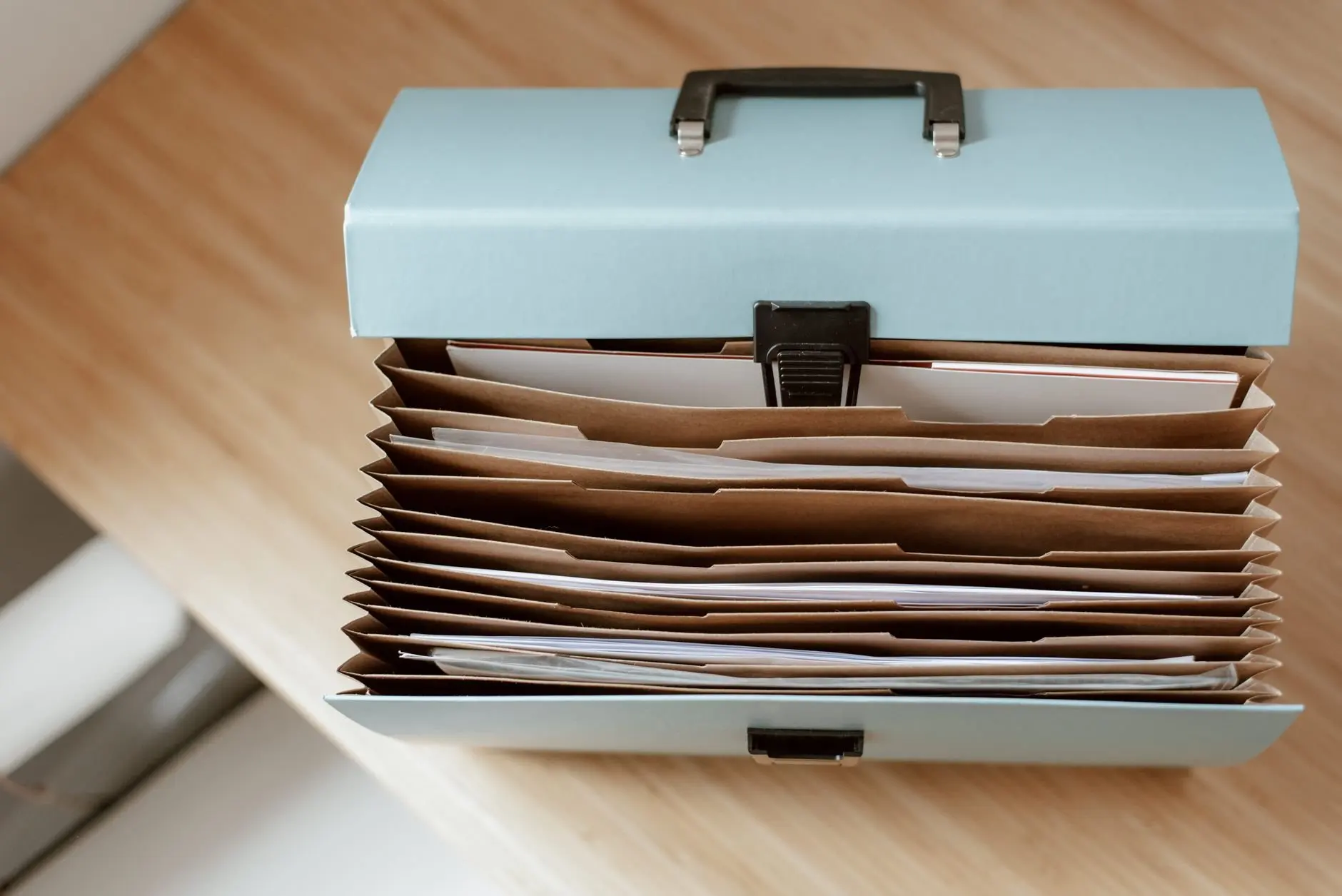
A ring binder suits issues that were punched to be held on rings, because the pages stay in order and can be turned like a book. Folder-style containers, such as the cartelle sold for newsstand issues or a slipcase-type folder, hold issues loose or in dividers instead of on rings.

Choose a ring binder when your issues are already punched and you want the original reading experience. Choose a folder or expanding file when issues are unpunched, or when you only need temporary containment while you hunt for the right binder. A folder does not fix punched holes that no longer line up with anything, so it is a workaround rather than a like-for-like replacement.
If a ring binder remains the goal, the next question is whether an ordinary stationery model can stand in.
Using a generic stationery binder
A generic binder is a reasonable answer when the sizes agree. The example listing is an A4 ring binder with four metal rings, marketed as a binder for gathering notes and documents, per the Feltrinelli product page. That shows what plain stationery offers: a standard page format and a standard mechanism, but no collection branding.
Three things decide whether a generic binder is acceptable:
- Ring count and spacing. The rings must line up with the holes in your issues. If your original has a different number of rings from a candidate, look for another model rather than forcing the pages.
- Page size. An A4 binder is only right if your issues are A4 or smaller. Measure a loose issue first.
- Appearance. A generic cover will not carry a printed spine. Use labels, as in the photo below, so the set can still be read from the shelf.
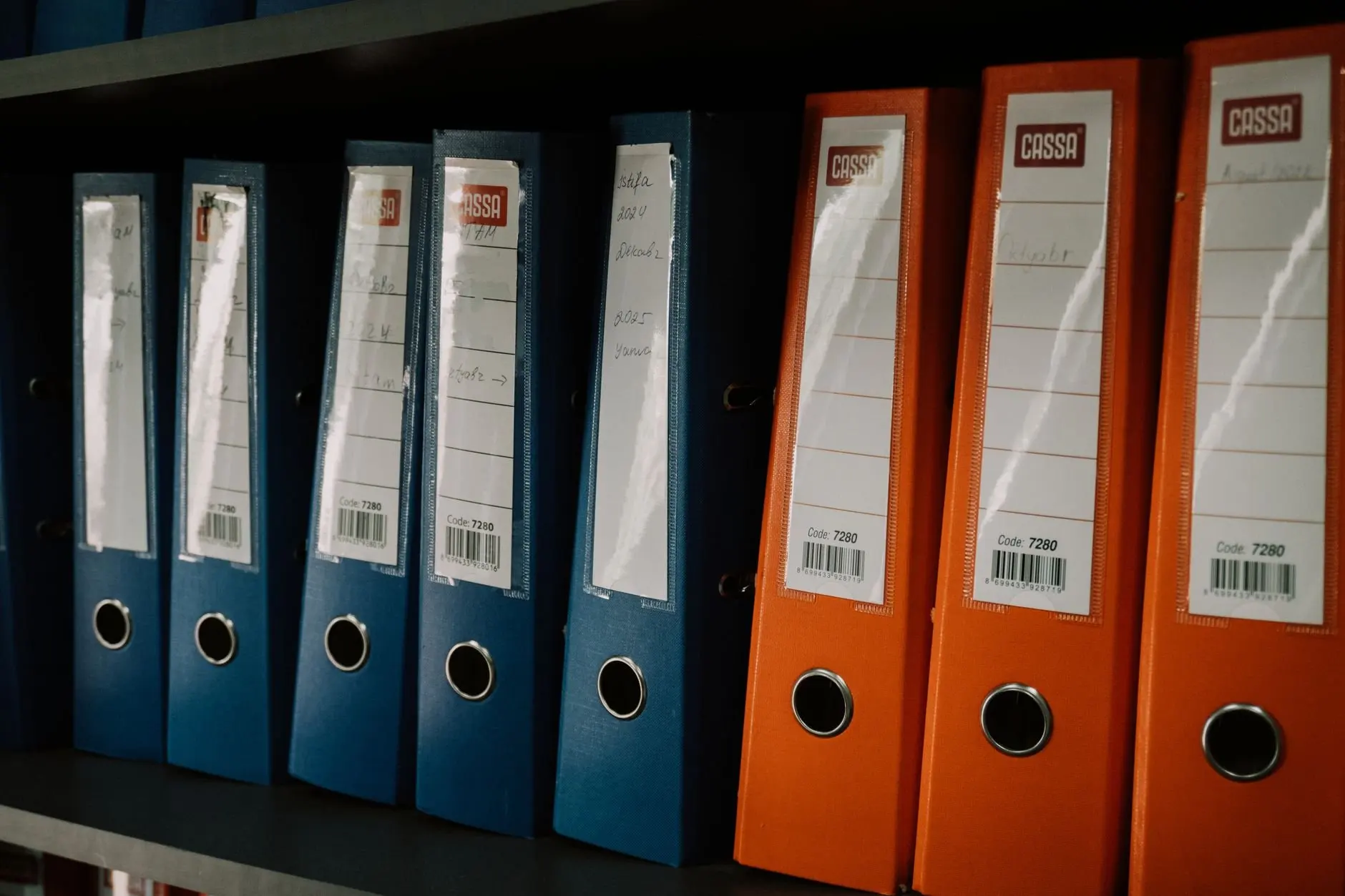
A generic binder suits collectors who value an orderly shelf over a matching set. If a uniform look matters more, keep searching for an original or a very close match.
Where to find a replacement raccoglitore
Replacement binders turn up in two places: stationery retailers selling current models, and second-hand listings for original binders. Retail listings give clean specifications. The Feltrinelli example is sold by Feltrinelli, shows a listed price of 13,80 € and was marked currently unavailable, with an option to be notified, according to the product page. Stock of any single model comes and goes, so set an alert or look at several equivalent models instead of waiting on one.
For original binders, search with the series name plus the Italian words raccoglitore and cartelle, and add the brand name of the publisher. Be prepared for unrelated results, since the Fabbri surname also appears on items such as an AbeBooks catalogue listing for Personale Agenore Fabbri, which has nothing to do with newsstand collections. Narrow the search by title, collection name and the word raccoglitore rather than the surname alone.
Questions about the club side of collecting, rather than the container, are covered in the guide to club collezioni Fabbri Editori.
Inspecting a second-hand binder before paying
Condition notes in listings are short and often vague. The Feltrinelli listing for a Fabbri-published vintage book, for example, says only “Brossura. Ill. in b/n. Perfetto.” per the product page. A one-word grade such as perfetto does not tell you whether a spine is intact or rings still close properly, so ask for more.
- Request photos of the spine and corners. Rubbed spines and frayed corners are the usual wear points on board covers.
- Ask about the rings. They should close fully and hold pages without gaps.
- Check the closure. If the original had an elastic band, confirm it is still present and firm.
- Compare dimensions. Ask for the measured size and match it to the notes you made earlier.
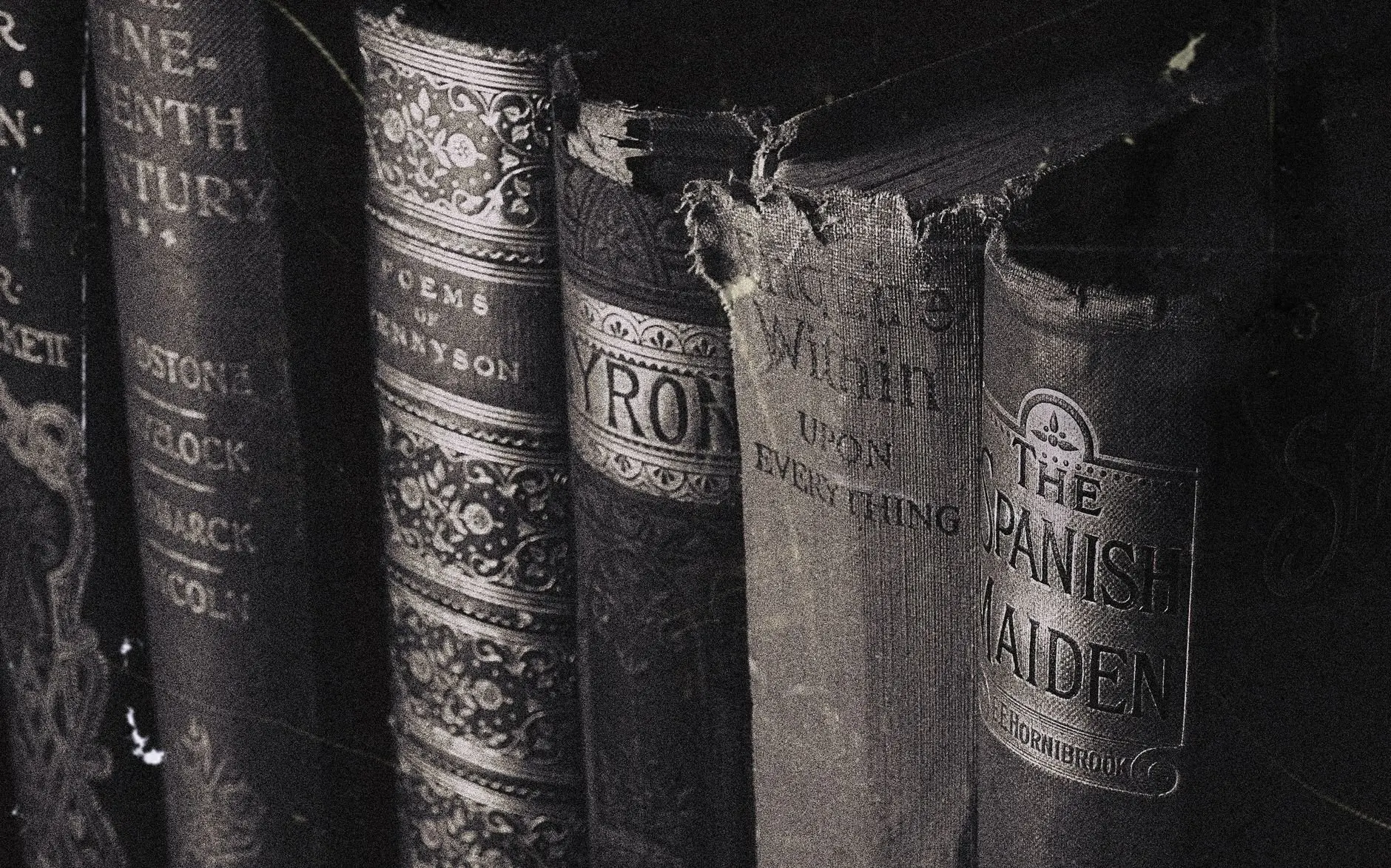
Heavy corner damage or a loose mechanism is a reason to pass, since a worn binder defeats the purpose of a replacement.
Telling binder editions and formats apart
Editions of binders are separated by observable details, not by one universal code. Retail listings use brand and line identifiers, as in the Feltrinelli example, where the brand is Grupo Erik and the line is Amelie. For an original series binder, the equivalent identifiers are the printed spine title, cover artwork, size and mechanism, which you recorded earlier.
Binding vocabulary also matters when reading listings. Both describe softcover items, not binders, so neither is a replacement container. Skip them when you are searching for a raccoglitore.
After purchase: fit, label and shelve
Test the new binder with a few issues before committing the whole run. Check that holes line up, pages turn freely and the closure works. Label the spine with the title and issue range, especially if the binder is generic, so you can find a given issue without opening each one. Storage conditions are a separate topic, covered in come conservare fascicoli collezione.
Troubleshooting common problems
- Holes do not line up. The ring count or spacing differs from the issues. Try another model rather than enlarging holes.
- The model is unavailable. Use the retailer’s notify option or choose another binder with the same format and ring type.
- The binder is too tall for the shelf. Compare the listed external size with your shelf before ordering.
- A listing gives little detail. Ask the seller for measurements and close-up photos before buying.
Frequently asked questions
Where can I find a replacement binder?
Start with stationery retailers for current ring binders, then second-hand book and collectables listings for originals. Retail pages can show a model as currently unavailable, so use a stock alert where offered.
Can I use a generic binder instead?
Yes, if the page size and ring mechanism match your issues. A generic A4 four-ring binder is a workable stand-in only when your issues fit it, and it will need labels to replace a printed spine.
How do I tell binder editions apart?
Compare printed spine titles, cover artwork, external size, ring count and closure. On retail listings, brand and line names such as Grupo Erik and Amelie identify a model.
What does brossura mean in a listing?
It means a paperback binding. A listing that says brossura describes a softcover book, not a binder.