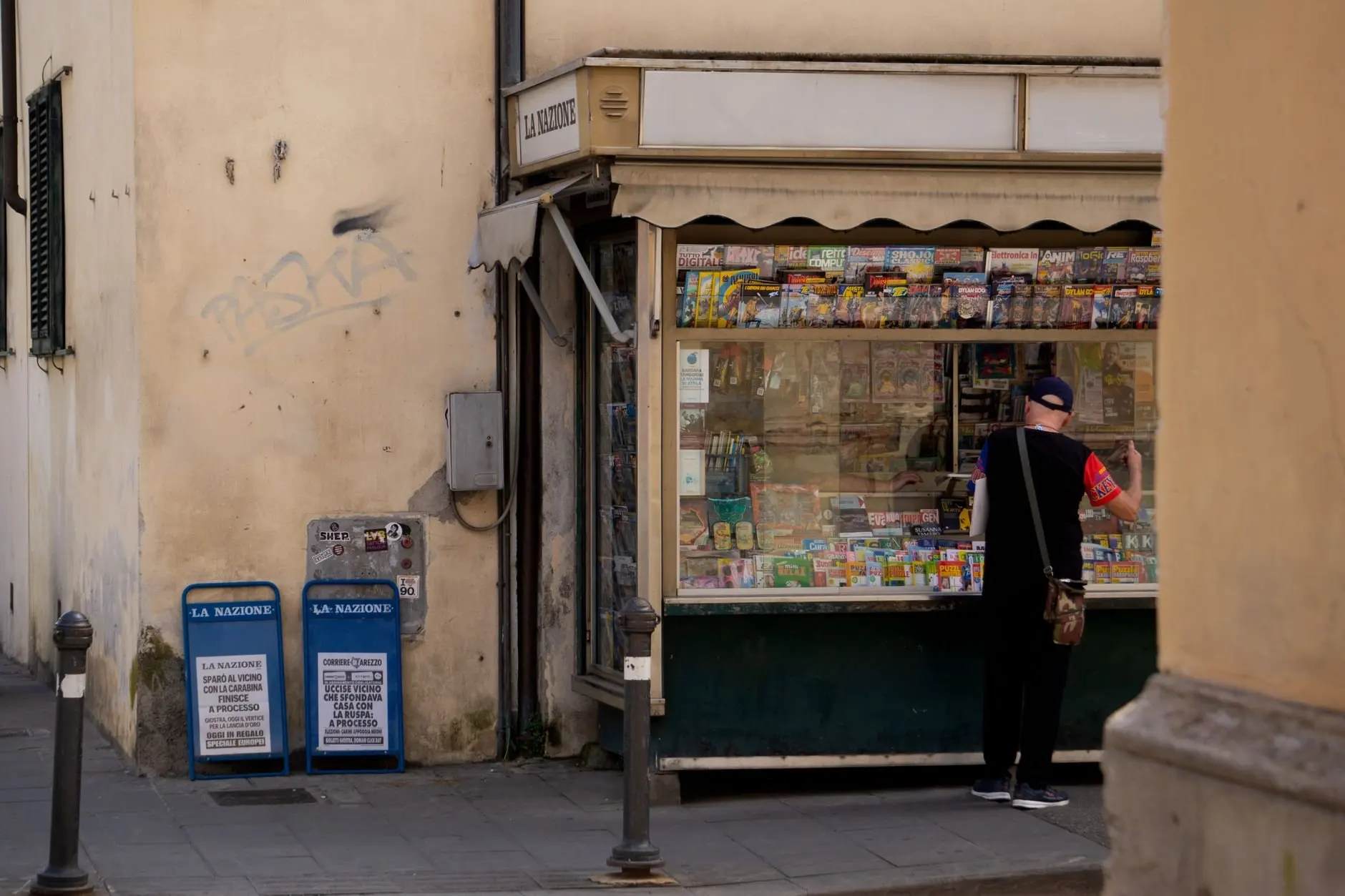
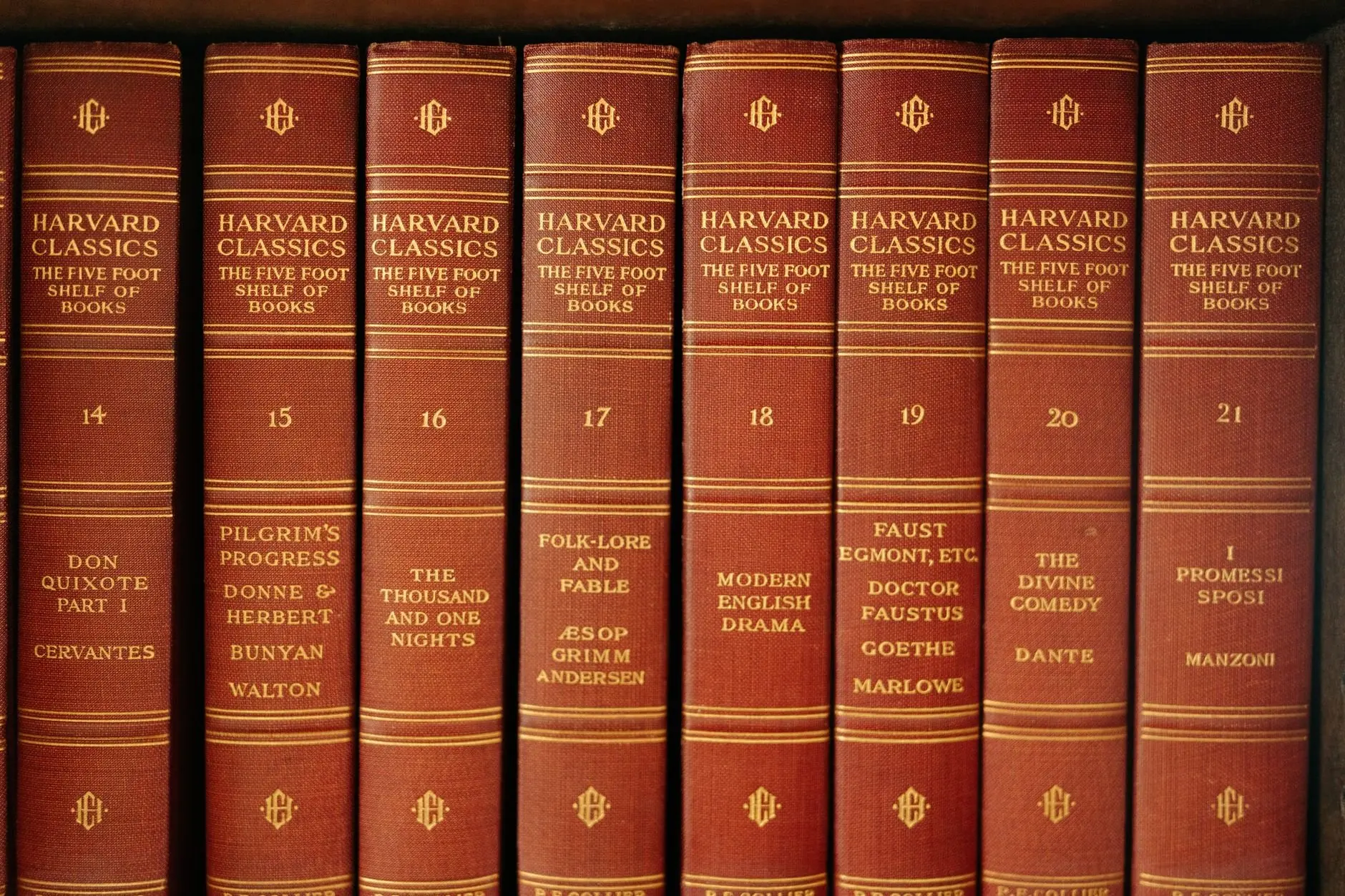
Quanto valgono le collezioni a fascicoli depends on condition, completeness and what buyers actually paid, not on what sellers ask. Check sold listings before naming a price, because asking prices only show a seller’s hopes.
Background on how these series reached readers is in the guide to collezioni Fabbri Editori edicola. This page covers the resale side: which factors move a price and how to verify it.
How resale value is set
A serial collection is worth what a buyer will pay when comparable sets are available elsewhere. Four buyer-side questions shape that price: how well the items have been kept, how few copies exist, whether they are originals, and whether the run is complete.
Each question works as a filter. Buyers tend to pay more for items that pass it and bargain hard over those that fail. The table below turns the factors into decisions for a seller or buyer.
| Factor | Effect on price | Planning use |
|---|---|---|
| Condition | Well-kept items without defects generally sell higher; small imperfections can lower value. | Inspect every issue before listing, and price by the worst flaws rather than the best pages. |
| Scarcity | Value tends to rise when very few copies exist. | A mass-circulated run is rarely scarce, so do not assume a rarity premium. |
| Originals versus replicas | Originals and certified items are more sought than replicas or imitations. | State clearly that the issues are original newsstand copies. |
| Condition assessment of the whole lot | For comics, assessing the state of the item is described as crucial to value. | Treat condition notes as part of the price, not an afterthought. |
These factors are drawn from a collectibles guide on the most valuable collectable objects, which discusses antiques, comics and similar items rather than fascicoli specifically, so treat them as general direction.
Condition: what buyers look for
Defects and wear
Condition is the factor a seller controls least after the fact and a buyer checks first. Creases, fading, stains and torn covers all count as defects, and the same collectibles guide says small imperfections can affect value. Even pieces that look sound at a glance can be marked down once a buyer finds a flaw.
Condition today reflects how the issues were kept for years. Sellers who still hold their sets can protect them with the habits in the guide on come conservare fascicoli collezione.

Describing condition in a listing
Specific wording protects both sides. Stamp dealers, for example, use a fixed trade term, gomma integra, for intact original gum, as a stamp dealer’s collecting guide shows. A condition term is only useful when buyers and sellers read it the same way.
For fascicoli, no equally fixed vocabulary appears in the supplied material. The safest listing therefore names each flaw plainly, such as a creased cover, a marked spine or a missing insert, instead of relying on a vague phrase like “good condition”. A buyer who finds an undisclosed defect will often return the item or demand a lower price.
Sealed and unopened issues
Issues still in their original wrapping are the extreme case of defect-free. They suit buyers who want to be sure of what they are getting. Whether they actually fetch a premium is a question for sold listings, since the supplied evidence says only that well-kept, defect-free items generally price higher. Look for completed sales of sealed sets before asking more than for opened ones.
Scarcity, originals and the risk of hype
Scarcity raises value when very few copies exist, according to the collectibles guide. Most newsstand series were produced for a wide readership, so scarcity is more likely to apply to a particular issue, a regional variant or a certified original than to a whole run.
The same guide notes that some rare comic numbers can be worth thousands of euros. That tail belongs to genuinely rare comics. It should not be read as a typical outcome for a boxed run of mass-market fascicoli.
Market enthusiasm can also reverse. The stamp dealer’s guide describes speculative bubbles in stamp collecting that ended with a free fall in quotations. The lesson for any collectible is to anchor a price on recent completed sales and not on a story of steadily rising values.
Checking real prices instead of asking prices
An asking price is what a seller hopes to get, and a sold price is what a buyer paid. Only the second tells a seller what a set is worth. Work through the following stages in order.
- Search the exact series. Use the title, publisher and issue range as they appear on the covers, so results match your set and not a similar one.
- Filter to sold or completed items. Use that filter wherever the marketplace offers one, and ignore unsold listings when setting a price.
- Match the condition. Compare your set only with sales whose descriptions match its defects, wrapping and completeness.
- Treat asking prices as a ceiling. Listings that have not sold show where sellers start, not where deals close.
- Keep the original cover price as a reference. It records what readers paid at the newsstand, but it does not set the resale price.

Price-comparison pages show how crowded the asking side is. A comparison page for Hachette products carries 63,386 listings, including a 36-issue build-it kit with issues 1 to 36 listed at 19.99 EUR. That is an asking price for a kit, not proof of what such sets sell for.
The comparison page also states that the site may earn a commission through eBay and Amazon affiliate programmes. It is therefore a place to browse offers, not a neutral valuation service.
Complete sets versus single issues
A complete run gives buyers something simple to compare, since they know exactly which issues they are getting. The kit listing above, offered as issues 1 to 36, shows how sellers present a full run as a single lot. Yet its asking price of 19.99 EUR shows that completeness alone does not make a mass-market series expensive. Whether a complete set outsells the same issues split up is something only completed sales can settle.

The practical rule is to check both. Search for sold complete sets and for sold single issues of the same series. If gaps in the run are common among sold sets, an incomplete set may sell for far less. If single numbers sell well, splitting a set can pay, but only when every issue stays in comparable condition.
Buyers looking for missing numbers can find the other side of this market in the guide to collezioni Fabbri Editori usate.
Where to sell
No single venue is best for every set, because fees, audience and trust differ. According to the collectibles guide, commissions at physical auction houses can be higher than at online auctions. That makes online sale the more economical route for a modest set.
Online auctions bring their own check. The same guide advises paying attention to commissions and to the reputation of the platform before listing. A low-fee platform with weak buyer protection can cost more in the end than a pricier, trusted one.
A set that clearly belongs to a recognisable series, sits in good condition and has been priced from completed sales suits an online marketplace. A genuinely rare issue or a certified original may justify the higher commission of a physical auction, because that is where scarcity and authenticity carry the most weight.
Frequently asked questions
Does a large number of listings mean a series is valuable?
No. A large count only shows many sellers competing. The Hachette comparison page at Dealsan shows 63,386 listings, which indicates abundant supply rather than proven demand.
Can my collection be worth thousands of euros?
Only in exceptional cases. The collectibles guide says some rare comic numbers can be worth thousands of euros, which describes unusual rarity, not ordinary newsstand runs.
Should I sell a set whole or split it?
Compare completed sales of both before deciding. Splitting suits only issues that are all in good, matching condition, while a complete run is easier to describe and compare.
What should a listing say about defects?
It should name every visible flaw in plain words. Specific terms work in other collecting fields, as the stamp term gomma integra in the stamp dealer’s guide shows, and clear descriptions reduce disputes with buyers.