| Effect on a collection buyer | What is reported | Planning use |
|---|---|---|
| Fewer kiosks to choose from | Over 36,000 edicole twenty years ago; about 11,000 today | Pick one reliable edicola near your daily route and treat it as the base for the whole run. |
| Closures continue | About 1,000 edicole close in Italy every year, according to the Italian Federation of Newspaper Publishers (Fieg) | Know a second kiosk before you start, so a closure does not leave a gap in the sequence. |
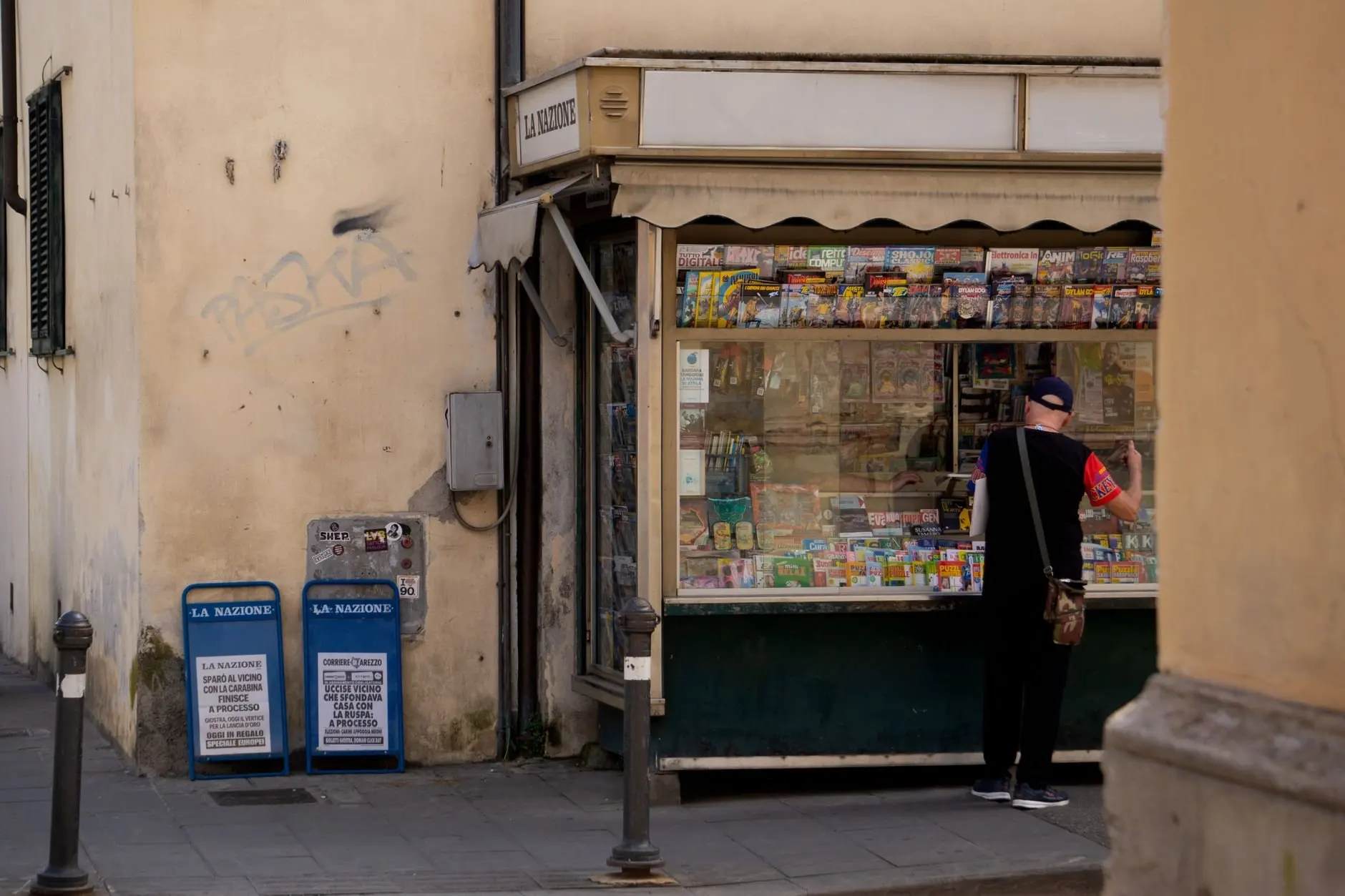
| Shops widen their range | Many edicole have become newsstand-bazaars, selling bus tickets and cheap plastic knick-knacks beside the press | Do not expect every issue to be on display. Ask at the counter instead of scanning the rack. |
| Personal service | An edicolante may keep a title aside for a regular customer | Ask the edicolante to set each new issue aside so you are not racing the shelf. |
These figures come from Italia Segreta’s profile of the Italian edicola, which cites Fieg for the closure rate.
Understanding collezioni a fascicoli in edicola come funzionano starts with a simple habit: the work reaches you issue by issue through a kiosk, so a complete set depends on collecting every issue as it appears.
The kiosk network matters as much as the publisher’s plan. For the publisher’s own run of titles, see the collezioni Fabbri Editori edicola overview, which this guide supports from the buyer’s side.
What the shrinking newsstand network means for you
A serial collection is only as dependable as the place you collect it from. The edicola is a shop under pressure, and that pressure shapes how you should plan a long run of issues.
Italia Segreta reports that daily newspapers have lost over 5 million copies sold per day over the past 25 years. Many edicole have converted into newsstand-bazaars in response to the crisis of print newspapers. A kiosk that sells bus tickets and small trinkets next to tabloids and literary magazines is a general shop first and a collection depot second. That has practical consequences:
- Choose the kiosk, not only the collection. A collection can run for a long stretch of weeks, so the kiosk you start with should be one you will still be passing for the whole period. A shop on your commute is better than a more attractive one you must make a detour to reach.
- Expect to ask. Shelf space in a mixed shop is shared among many products. Asking whether the next issue is expected, and when, is more dependable than hoping to spot it.
- Build a fallback. With about 1,000 edicole closing every year, a regular kiosk can disappear mid-collection. Knowing a second edicola on another route turns a closure into an inconvenience rather than a broken set.
- Favour a kiosk that knows you. Italia Segreta describes edicolanti who keep a title aside for a regular customer. Becoming that customer is the most useful single step for a weekly collection.
The launch issue and the first purchase
The launch issue is the entry point of any collection, and it is also the best source of information about the commitment you are taking on. Treat it as a briefing document as well as the first instalment.
Read the launch issue before committing
Before you buy the next issue, look through the first one for the practical details a publisher normally prints: the collection’s overall plan, how the work is meant to be assembled, how to obtain missed issues and whether a subscription is offered. If the launch issue is priced differently from later ones, check the price printed on later issues before you budget for the whole run. Publisher terms differ from collection to collection, so the printed notice, not a general rule, governs what you will pay and receive.
Tell the edicolante you are starting a run
A launch issue sitting on a counter looks the same as any other title, so mention that you intend to follow the collection. An edicolante who knows this can hold the following issues for you. That is the same courtesy Italia Segreta describes for regular readers of a weekly title, and it is far easier to arrange at the start than after an issue has sold out locally.
The weekly rhythm in practice
Weekly collections reward routine. The issue appears on a regular cadence, and the simplest way to keep up is to attach the purchase to something you already do each week.
Many buyers fall behind not through a decision to stop but through a missed visit. A fixed day and a standing request to have the issue set aside remove most of that risk. If you rely on spotting new issues on the display, remember that a bazaar-style kiosk carries so many products that a single title can easily be buried or sell out.
- Fix a day. Choose a weekly collection day that suits your own timetable, and keep to it.
- Note the issue number. Write the number of the last issue you bought in a phone note or on a card. At the counter, this prevents buying a duplicate and shows quickly whether you skipped one.
- Check the cover before leaving. A quick look at the issue number and any enclosed item is enough to catch a wrong or incomplete copy while you are still at the kiosk.
Binders and assembling the complete work
A collection is designed to become a finished object. Individual issues are thin and meant to be kept together in order, so the way you store them decides whether the end result is a coherent work or a pile of loose pages.
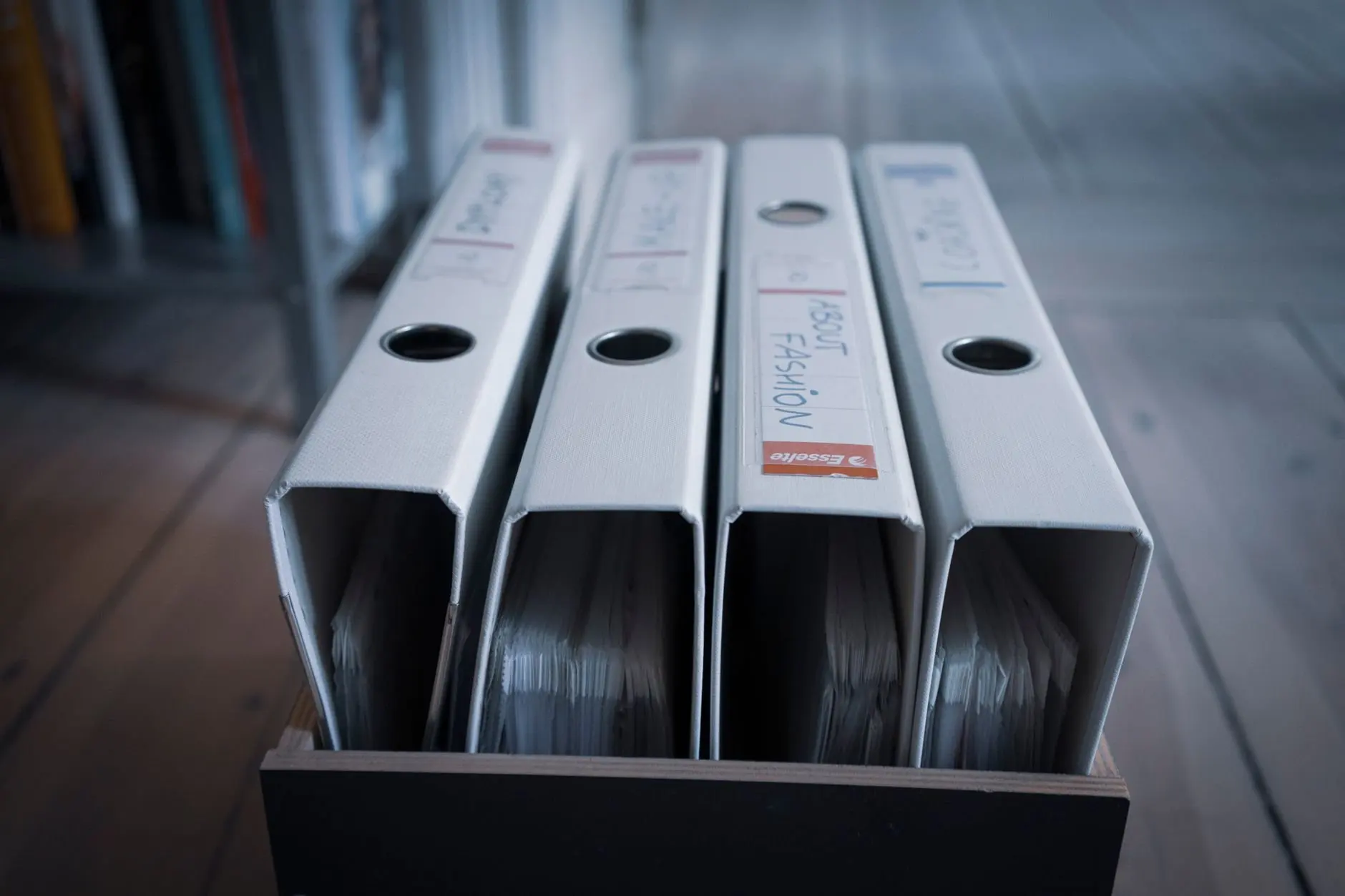
The launch issue or a later one will indicate how the binder or storage arrangement is supplied. Some publishers include it with an early issue, some offer it separately, and the details vary by collection. Read the notice rather than assuming. Until the binder is in hand, keep issues flat, in numerical order and together in a folder or envelope so nothing is lost or mixed with newspapers and other magazines.
- Store in sequence from day one. Re-sorting a long run later is tedious and easy to get wrong.
- Leave room to grow. A binder fills over the weeks, so decide early where the complete set will sit.
- Check any enclosures. If an issue comes with an insert or extra item, keep it with its issue until the printed instructions say where it belongs.
Missed issues and subscriptions
A missed issue is the most common problem in a long collection, and the remedy depends on how quickly you notice. The sooner you spot a gap, the more options you have.
Spotting a gap early
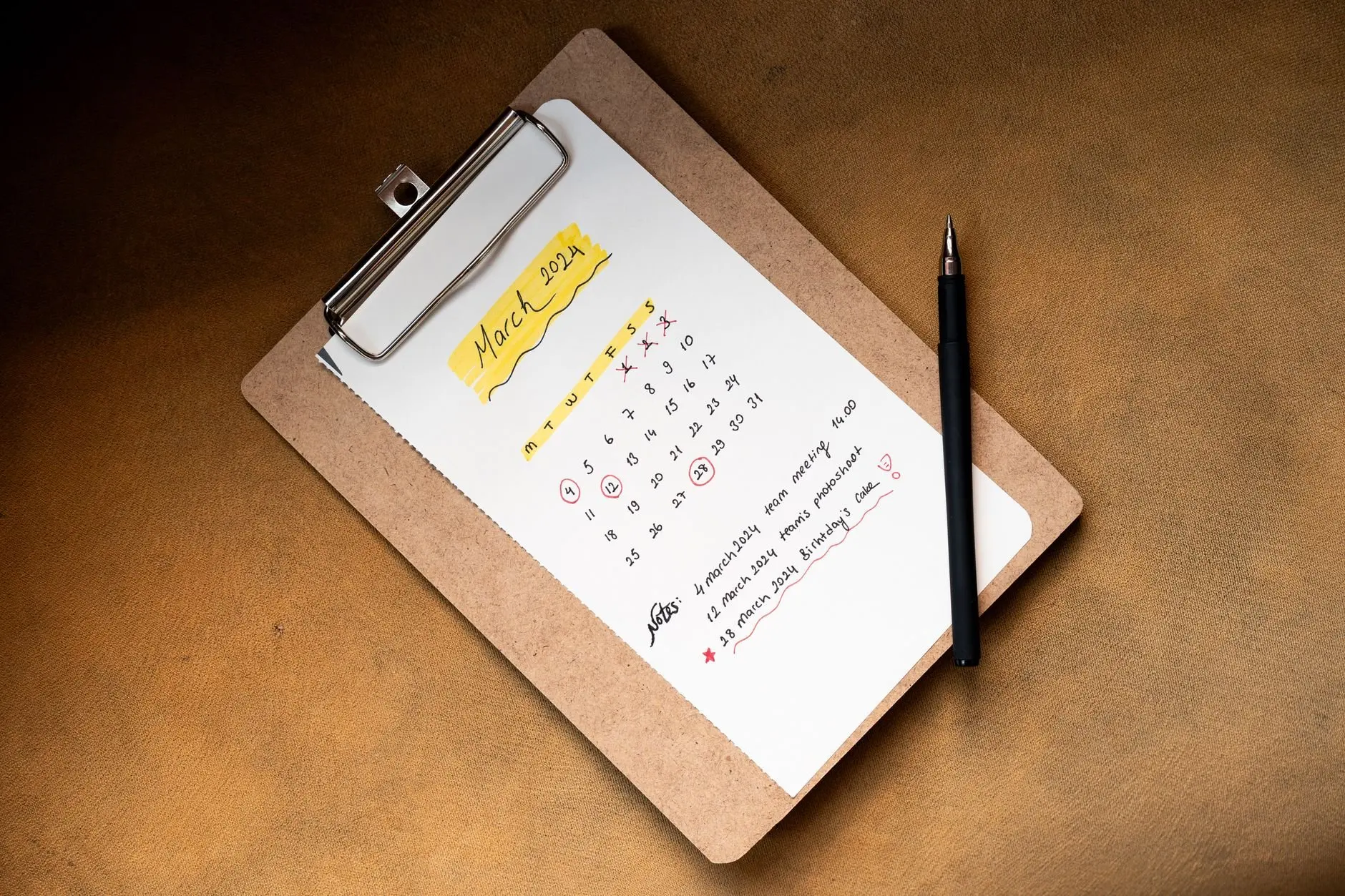
Compare the number on your latest issue with the number you expected, and do this each week rather than at the end. A running tick-list makes a gap obvious at once. A printed calendar or a phone reminder serves the same purpose, so a skipped week shows up while the kiosk may still hold copies.
Asking for back issues
Start with the edicolante, who knows what the kiosk has left and may have an issue set aside. If it is not available there, look in the issues you already hold for the publisher’s back-issue notice, which will give the ordering route. Use that route rather than relying on another kiosk, because only the printed notice describes the publisher’s own terms.
Weighing a subscription
A subscription is worth considering if your kiosk is unreliable or far from your route, because it takes the pick-up out of the equation. The trade-off is that you commit to the publisher’s terms and give up the flexibility of stopping after a few issues. Read the conditions printed on the publisher’s offer and compare them with how reliably you can reach your edicola before deciding.
Choosing a collection with the publisher in mind
Once the buying routine is settled, the decision that remains is which collection to follow. Publishers differ in how they structure their runs, and background on one major newsstand publisher is in Fabbri Editori storia. For a catalogue of the titles themselves, the elenco collezioni Fabbri Editori lists the collections by title.
Judge a collection by the same questions each time: does the launch issue explain the whole plan, can you reach a kiosk every week for the length of the run, and is there a clear way to obtain issues you miss? A collection that answers all three is a safer commitment than one with an attractive launch issue and little else.
Frequently asked questions
Can the edicolante reserve each issue for me?
Italia Segreta describes edicolanti who keep a title aside for a regular customer, so asking is reasonable. Make the request when you buy the launch issue and confirm it again if the kiosk changes hands.
What happens if my edicola closes during the collection?
Edicole are closing at about 1,000 a year, according to Fieg. Switch to your fallback kiosk straight away and compare your last issue number with what it stocks. If a gap has opened, use the back-issue notice printed in the issues you already hold.
Does an edicola sell only newspapers and magazines?
No. Italia Segreta notes that many edicole now sell items such as bus tickets and cheap plastic knick-knacks next to the press, and that tabloids sit beside literary magazines. A collection issue is one product among many in the shop.
Is the launch issue enough to judge a collection?
It is enough to judge how the publisher presents the plan, the binder arrangement and the ordering route for missed issues. It does not show whether you can keep up with the weekly routine, so test that against your own schedule before buying further.