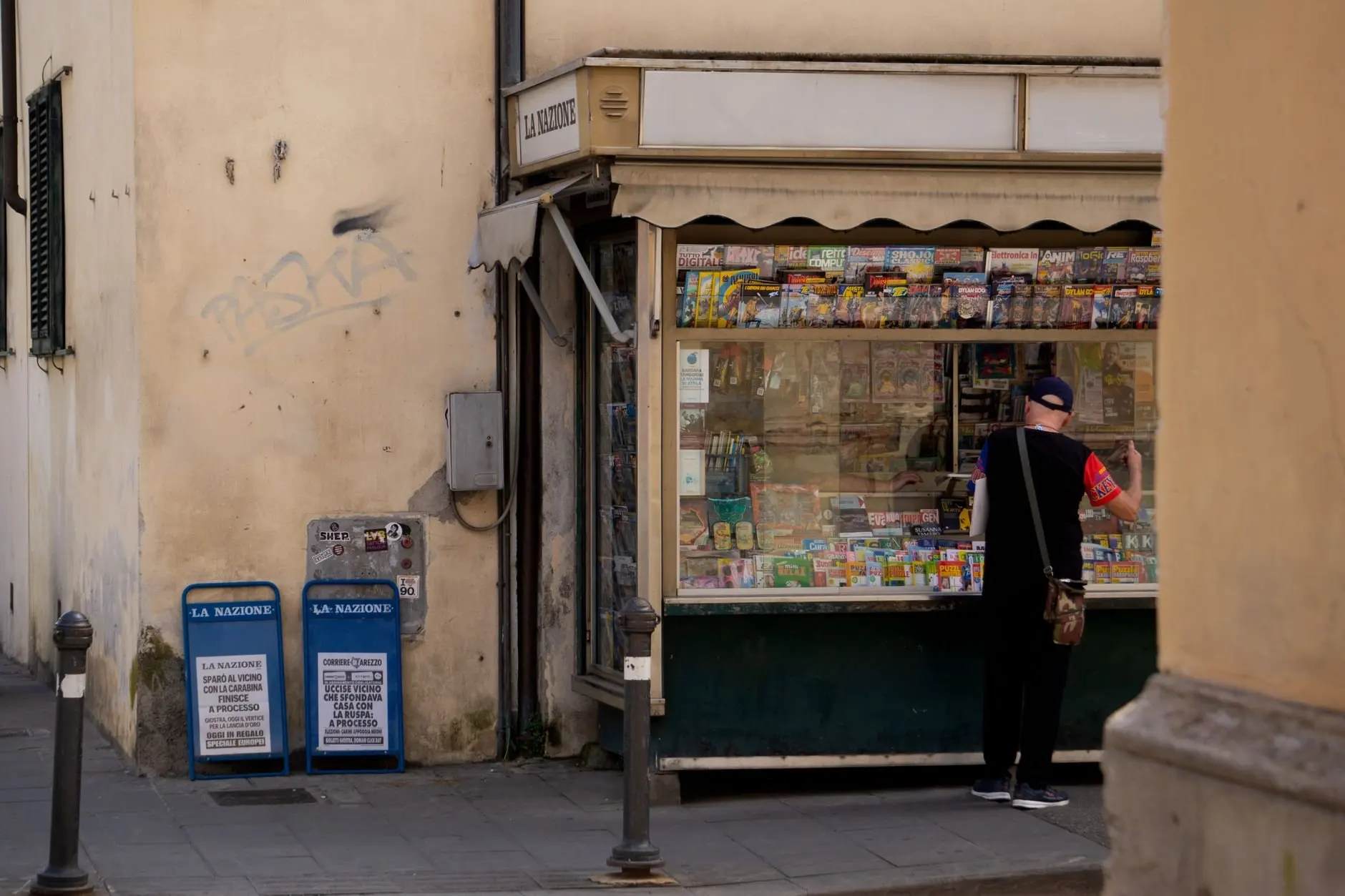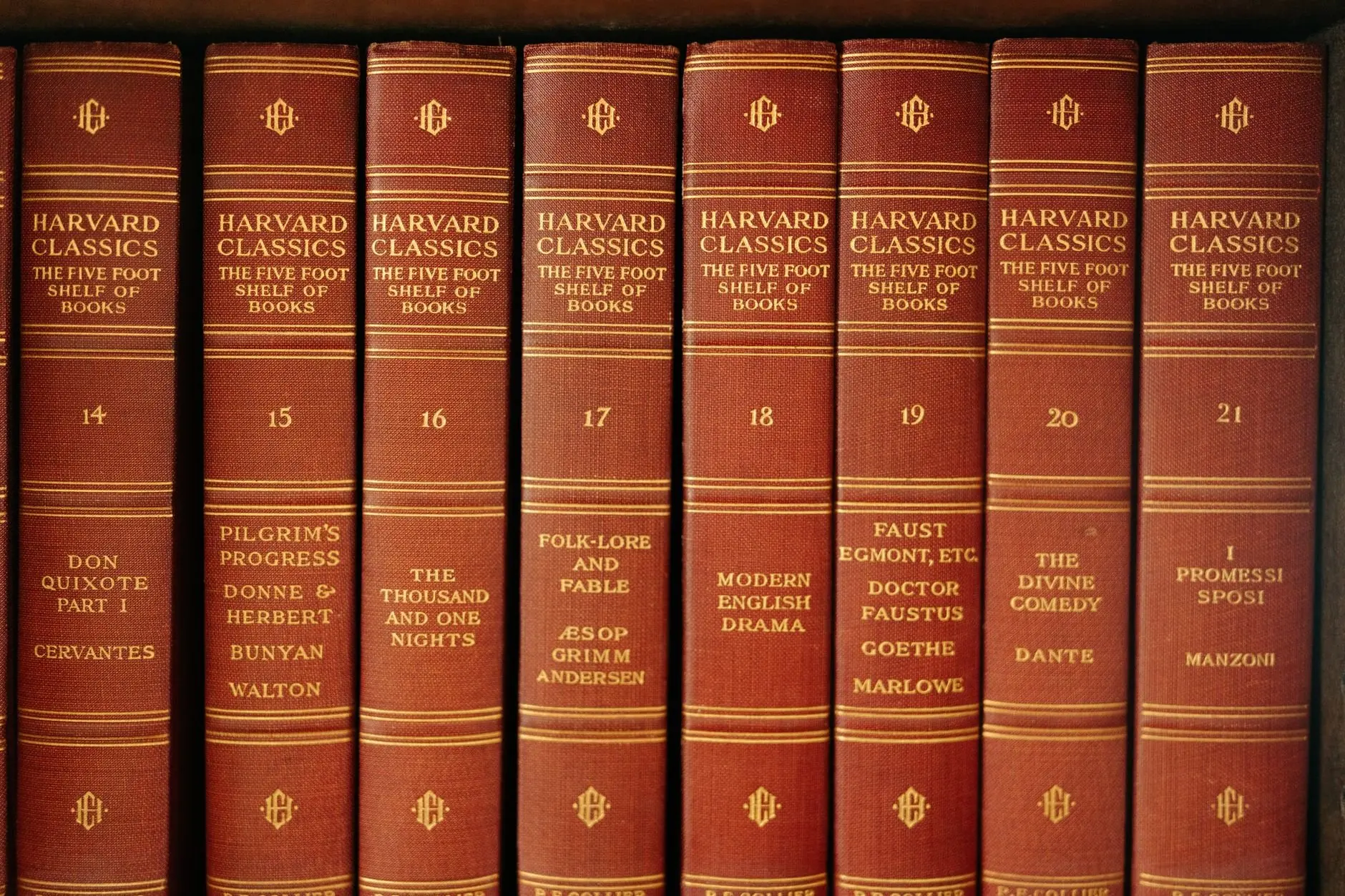

Found a run of enciclopedie Fabbri Editori a dispense at a market or in a listing? First decide whether it is loose weekly issues or bound volumes. Then check the set against a catalogue record and its index volume.
This page sits within the wider collezioni Fabbri Editori edicola overview. It covers the general reference side of that story: encyclopedias and illustrated books bought in installments, and what to look for when they are sold bound or incomplete.
Loose dispense issues
Opere in dispense Fabbri are works issued in installments, each part a thin issue meant to be collected until the work is finished. They suit buyers who want the original reading experience or who plan to have a run bound. They are the hardest format to judge for completeness, because a missing issue can sit in the middle of a stack without showing from outside.
Their main limitation is that nothing holds the parts together. Check the issue numbering on each part and look for gaps in the sequence. Compare the cover design and paper across the run, because a mixed stack can combine parts from different sets. Fold marks, loose staples and detached covers matter more here than in a bound book, since each issue was handled on its own.
If the run is for a film or screen-based collection rather than a reference work, the collezione DVD edicola Fabbri Editori page covers that format separately.
Bound volumes
Fabbri Editori volumi rilegati are the format most collectors want to shelve: the installments gathered into numbered volumes with a spine, so the set reads as one work. They suit readers who want a usable reference rather than a pile of parts. They also make a missing volume obvious, because the gap shows on the shelf.
The trade-off is that binding can hide problems. A tight spine makes it harder to see whether pages or plates are missing inside. Cover material and colour should match across every volume, and a single volume that differs in tone or texture may come from another printing or another binding.
A bound set can also be uniform or mixed. Uniform sets share cover material, lettering and spine labels. A shelf of mismatched bindings may be a bound-by-owner run, which is acceptable but should be priced as such and not as a publisher-bound set.
Illustrated encyclopedia content
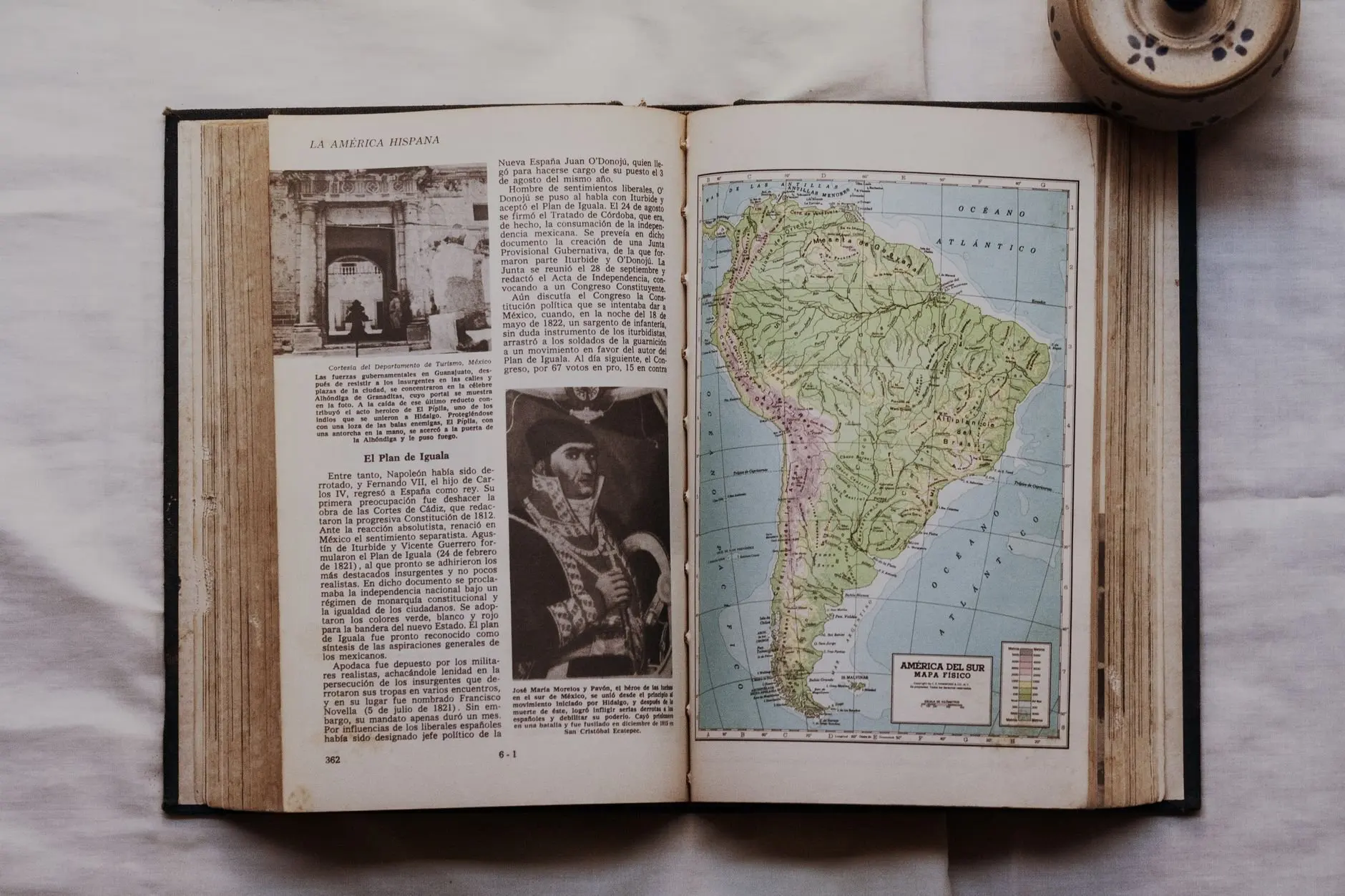
An enciclopedia illustrata Fabbri is defined by its pictures as much as its text: captioned illustrations, maps and plates sit beside the entries. That makes page condition a real part of value. Plates are the first thing to be cut out, stained or torn, and a volume with missing illustrations is not complete even when every page number looks continuous.
When inspecting a spread, look at the gutter, the corners and the captions. Captions that are cropped, or plates that are loose in the binding, point to rough handling. Illustrated reference works also age unevenly. The paper in the middle of a volume may stay clean while the first and last leaves are foxed, so open the book at several points before judging it.
Index volumes and completeness checks
The index volume is the practical test of whether an encyclopedia set is complete. Where a set has one, it lists entries with page references. Those references can be tested against the other volumes: pick several entries and confirm that the cited pages exist and match.
This check is useful for loose issues and bound volumes alike. For loose issues, a sequence gap shows as an entry that points to a missing part. For bound sets, it shows which volume is absent when the shelf has been rearranged. A set sold without its index volume is not necessarily defective, but it is harder to verify, and the price should reflect that.

Catalogue records and volume counts
How many volumes did each work have? The answer differs from work to work, so the reliable route is the catalogue record for the specific title, not a general rule about the publisher. A good record states the range directly. A Google Books entry for an early multi-volume encyclopedia, for example, reads “Vol. 1 [-5]” and lists volume 5 with 224 pages, dated 1813. That work predates the Fabbri newsstand collections and is not a Fabbri title. It is useful only as an example of how a record expresses the volume range and per-volume page count that a complete copy should match.
The same record names the library holding the original, the Biblioteca Nazionale Centrale di Firenze, and gives a digitization date. A holding library is a practical lead: a national or university library record is a better yardstick for volume count than a seller’s description. Italian listings often carry the same details in the national catalogue.
For the publisher’s overall output, retailer pages give a rough sense of scale. Hoepli’s publisher page for Fabbri RCS Libri lists 43 books, but a retail listing covers what is currently catalogued there, not every installment work Fabbri issued. Treat it as a pointer for titles to search, then confirm volume counts and years in a library catalogue or in an antiquarian listing that states the collation.
- Volume range: look for wording such as a numbered range, and match it to the number of spines you can see.
- Page count per volume: where a record gives it, compare it to the copy in hand, especially for the final volume.
- Year: use the record’s date to separate printings, since a set assembled from different years may not match.
Matching sets and spotting mixed bindings
Reference sets are often split up and reassembled over the years. A shelf that looks uniform at a distance can hide volumes from different printings, so close inspection matters. Lettering style on the spine, the shade of the cover material and the position of the volume number should be consistent.
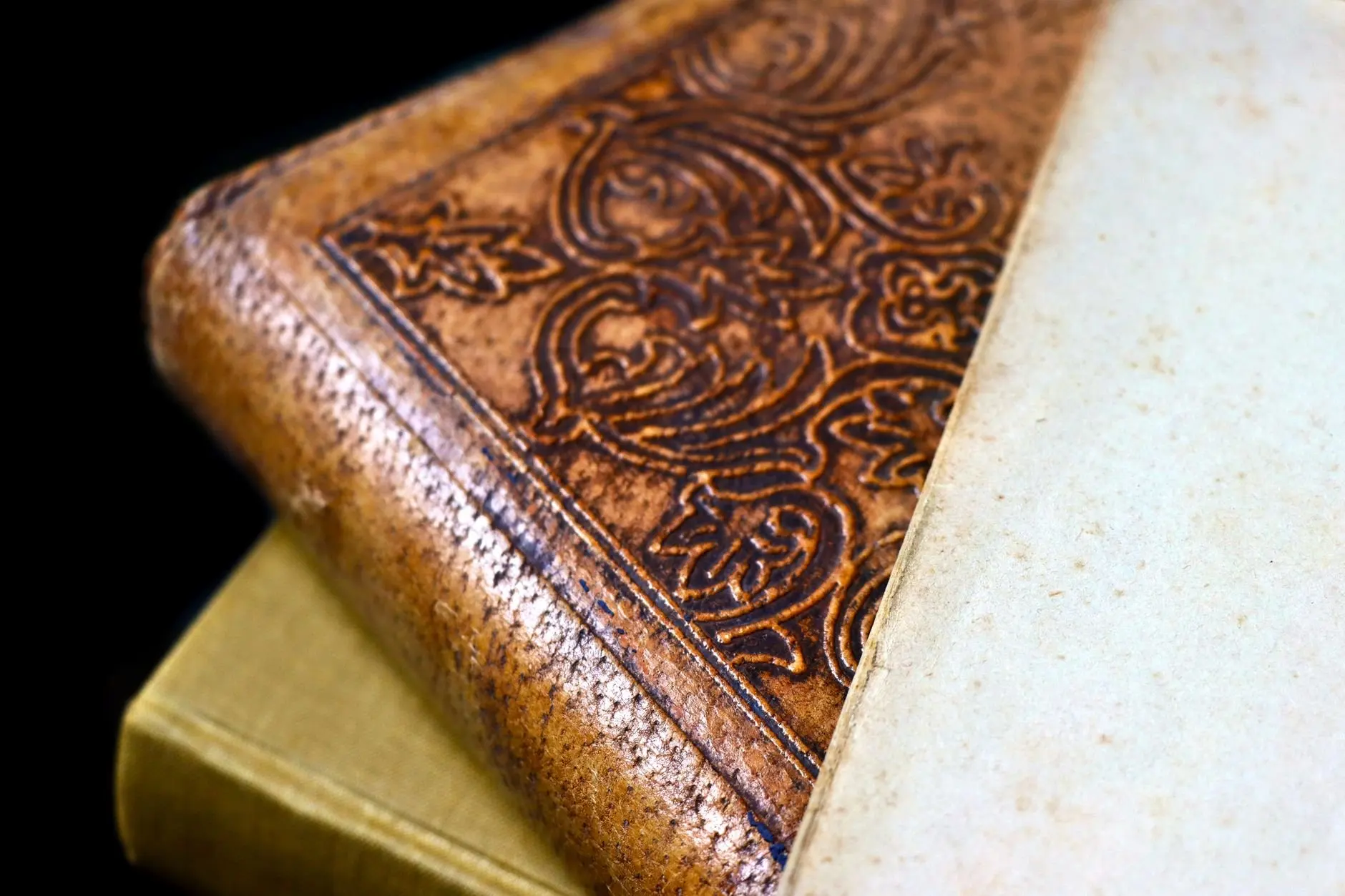
A mixed set is not worthless, particularly if every volume is present and sound. It is simply a different purchase from a matched set, and it is better priced and described honestly. Younger readers’ sets follow the same logic, and the collezioni per ragazzi Fabbri Editori page covers that range.

Decision checklist before buying
- Identify the format. Decide whether the offer is loose issues, publisher-bound volumes or an owner-bound run.
- Find the catalogue record. Match the title and year to a library or antiquarian record that states the volume range.
- Count what is present. Compare the spines or issue numbers with the stated range and note any gap.
- Test with the index. If an index volume exists, check several entries against the pages they cite.
- Inspect plates and bindings. Look at the illustrations, the gutter and the cover material across every volume.
- Price the condition. Allow for missing indexes, mixed bindings or detached issues instead of paying for a complete matched set.
Frequently asked questions
How many volumes did each work have?
It depends on the title. The catalogue record for the specific work gives the volume range, as in the “Vol. 1 [-5]” style of entry, and the copy in hand should match it.
What is the difference between dispense and bound volumes?
Dispense are the individual installments issued over time. Bound volumes gather those installments into numbered, spined books that shelve as one work.
How can I tell whether an encyclopedia set is complete?
Match the spines or issue numbers to the volume range in a catalogue record, then spot-check entries from the index volume against the pages they cite.
Does a retailer’s list of Fabbri books show every encyclopedia?
No. Hoepli’s publisher page lists 43 books under Fabbri RCS Libri, which reflects that catalogue only, so use it as a lead and confirm each title elsewhere.