| Reader situation | Where to look | Planning use |
|---|---|---|
| Need to isolate a single series | Biblioteca di Babele filters for Collana, plus Anno (dal) and Anno (al) year fields | Combine a series name with a year range to cut a long list to one collection. |
| Checking the older Milan imprint | Biblioteca di Babele results for Fratelli Fabbri editori – Milano: 24 results, dated 1962 to 1995 | Good background on the earlier imprint. The dates end before the decade this site covers, so it will not list collections from that window. |
| Buying or valuing a used volume | Condition grades in the antiquarian listings | Choose the grade that matches the purpose: reading copy, shelf set or display piece. |
Figures in the table come from the Librerie.coop Fabbri publisher listing and the Biblioteca di Babele results for Fratelli Fabbri editori – Milano.
This elenco collezioni Fabbri Editori works as a routing page: it groups where to look by reader situation and theme, because online catalogues show the imprint under different names and date spans.
Readers who want the story of the newsstand programme can start from collezioni Fabbri Editori edicola. This page does the narrower job of pointing from each theme to the place in the catalogues where a record can be checked.
Finding collections by release period
The practical route is to take a catalogue that sorts by date, work through the decade, and cross-check each series name against a second listing.
Sorting the publisher listing by date
The Librerie.coop publisher page for Fabbri reports 2205 results. It lets users order them by Importanza, Data uscita or Nome A-Z. For this purpose Data uscita is the useful choice, since it puts titles in release order and lets a reader jump straight to the years that matter.
- Choose release date when the period matters. Importanza ranks titles by prominence, which scatters the decade across the whole list.
- Choose name order when the title is known. Nome A-Z is quicker for confirming that a specific title exists than scrolling by date.
- Expect noise. A list of 2205 results covers a whole publisher, so single books and collection volumes sit side by side. Treat each hit as a lead to confirm, not as proof that it belongs to a collection.
Why the Milan antiquarian listing stops early
The Biblioteca di Babele listing for Fratelli Fabbri Editori, Milano returns 24 results, with publication years running from 1962 to 1995. It is still worth a look for its filters, which are described further below.
The listing also separates search fields for Titolo, Autore, Editore and Collana. Searching by Collana is the quickest way to see how many items a bookseller has recorded under one series name. Result counts for the whole imprint, such as 24 here, describe the imprint listing and say nothing about the size of any single collection.
Grouping collections by theme
Catalogues group Fabbri material by subject, and the groupings differ from one catalogue to the next. A theme label is therefore a way into a record and not a fixed classification of the collection.
Reference and language
Under the imprint name Fabbri RCS Libri, Hoepli lists 43 books and breaks them down by argomento. Dizionari e Grammatiche holds 4 of them and Scienze umane e sociali holds 1. For a reader who wants reference works and language aids, this is the clearest thematic entry point, and the small counts show how narrow the subject filters are on that page.
The imprint name matters. Hoepli uses Fabbri RCS Libri, Librerie.coop uses plain Fabbri and the antiquarian listing uses Fratelli Fabbri Editori, Milano. A search that works under one name can come back empty under another, so try each before concluding that a title is absent.
Art, architecture and biography
The antiquarian listing sorts its Fabbri items into subject headings that include Architettura e design, Arte e spettacolo, Autografi and Biografie. An art volume such as Claude Monet by Daniel Wildenstein, dated 1971 in the same listing, shows the kind of entry that fits under Arte e spettacolo.
These headings suit collectors of illustrated art and design books. They suit them better than readers chasing a named newsstand series, because a subject heading cuts across series and may split one collection into several categories.
Hobby and craft sets
Craft collections are the theme where a printed instruction booklet and the materials it relates to belong together, and where a reader usually wants the whole run, not one volume. The dedicated guide to the Fabbri Editori collezione lavori manuali takes that theme further than a master index can.
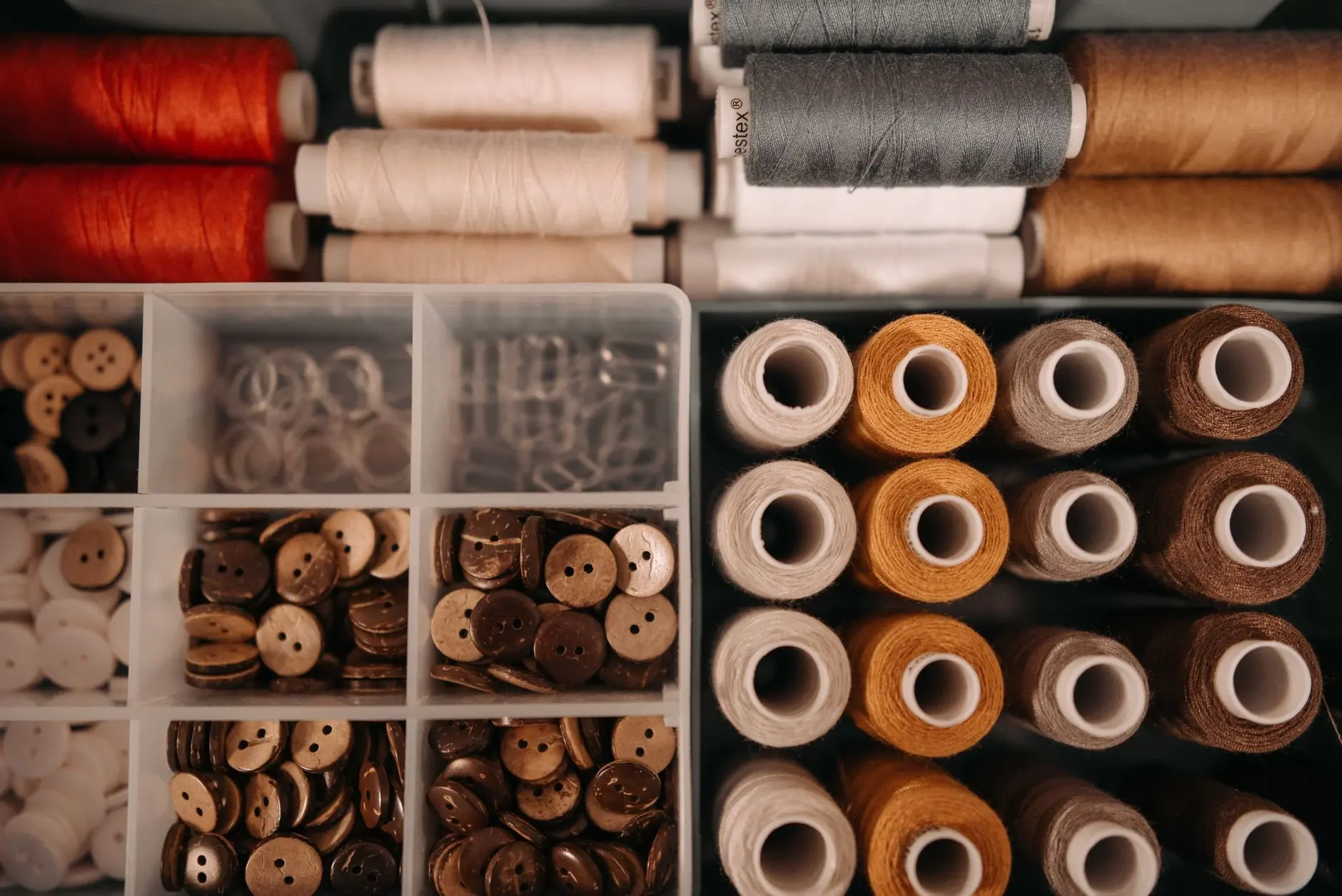
When a craft set turns up in a used-book listing, check whether the record describes the booklets alone. Any supplies that originally came with the set may not be included, and the record is the place to confirm this before buying.
Film and music sets
Film and music collections need extra care in catalogues, because a set built around discs is often recorded under a different heading from printed books. The approach is the same as for books: search the title, then check the series field. When the first search comes back empty, the cause is more likely a naming or format difference than a missing collection.
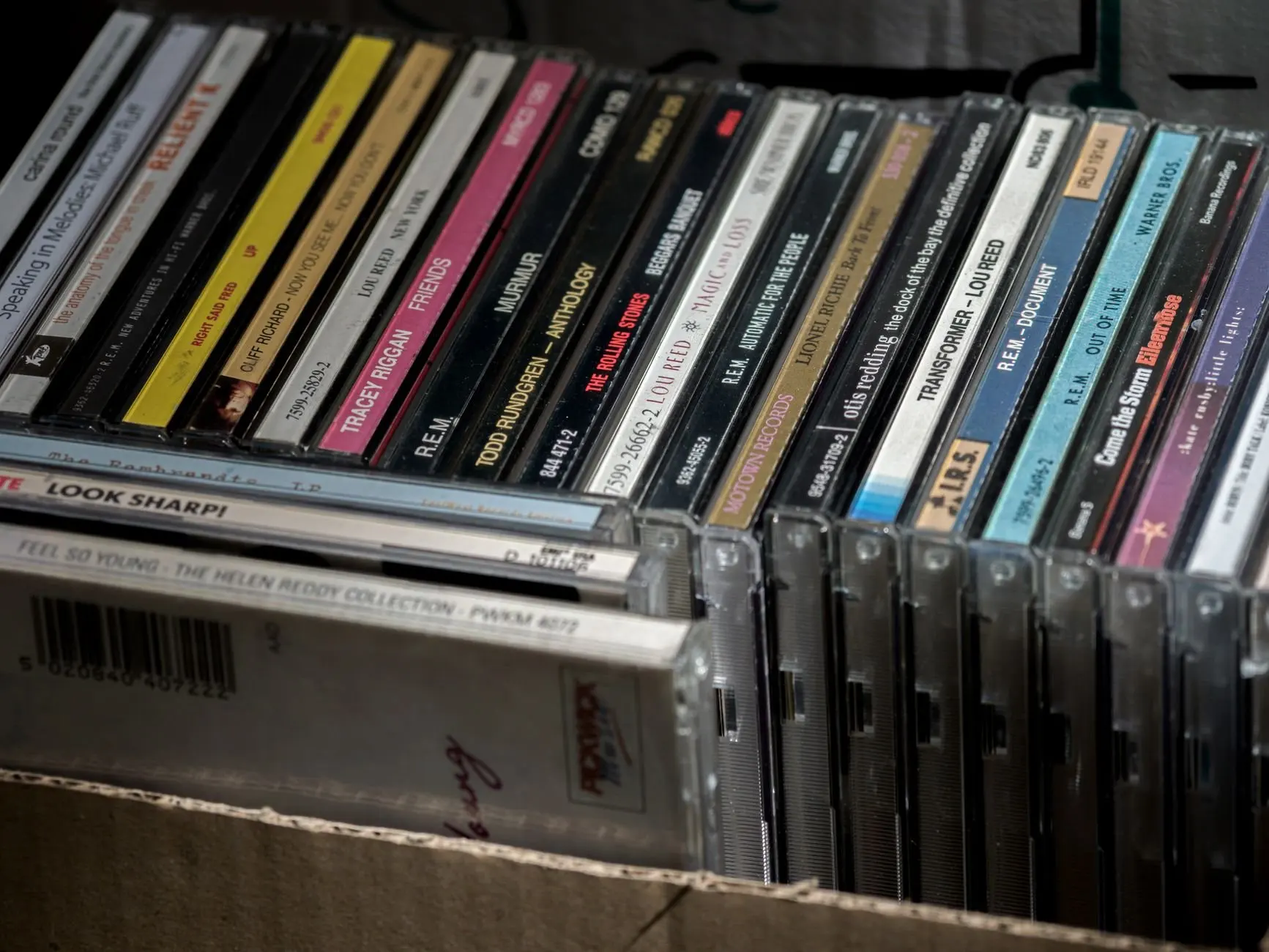
Film collections on disc
For film sets, search by the film or series title and look for a collana entry. Release date sorting, as described above, helps separate a decade-era release from a later reissue. The collezioni a fascicoli in edicola come funzionano guide explains the instalment format, which matters when a catalogue records a set as one entry in some places and as many entries in others.

Music sets with booklets
Music sets that combine discs with a booklet are best searched by composer or work title first, then by series. A set may be listed under the performer, the composer or the collection name, so a quick second search under another of these often succeeds where the first failed.
Finding a catalogue record for one collection
A record for a specific collection is usually found by combining a series name with a year range, then confirming the match in a second catalogue. The steps below suit a reader who already has a title or a series name in mind.
- Search the imprint under each name in use: Fabbri, Fabbri RCS Libri and Fratelli Fabbri Editori, Milano.
- Enter the series name in the Collana field of the antiquarian listing, so only that series remains.
- Narrow the results with the Anno (dal) and Anno (al) fields to the release years you expect.
- Return to the date-sorted Librerie.coop page to see whether the same title appears there with a release date.
- For a used copy, read the condition grade before deciding.
Decide by purpose. A reader building a bibliography benefits from the date-sorted publisher page, because it shows release order. A reader hunting a physical copy benefits from the antiquarian listing, because it shows condition and the series field. Where the two disagree on a date or a name, treat the record with the fuller description as the lead and confirm it by finding the title a second time.
Frequently asked questions
| Question | Answer |
|---|---|
| Are Fabbri RCS Libri and Fratelli Fabbri Editori the same listing? | No. They are different imprint names used by different catalogues. Search under each name and confirm a title by its own details, not by the imprint label. |
| Can I filter a catalogue by series and year? | Yes. The antiquarian listing offers a Collana filter and Anno (dal) and Anno (al) fields, so a series and a date range can be combined. |
| Which condition grades do used listings use? | The antiquarian listing uses Discreto, Buono, Ottimo, Eccellente and Come nuovo. |
| How do I find the number of volumes in a collection? | Filter by Collana first and count the records that remain. Result totals for a whole publisher cover many unrelated titles and are not a collection count. |