Quick answer: the collezioni Fabbri Editori edicola were serial partworks sold at Italian newsstands, and the first decision is whether you need to identify a set, complete one or simply understand the range.
This pillar maps the whole subject. The Fabbri Editori storia page covers the publisher’s background, and collezioni a fascicoli in edicola come funzionano explains the mechanics of buying a serial one release at a time.
Choosing where to start
The right starting point depends on what you already own and what you want to end up with. A reader holding loose volumes needs identification first, while a reader with a nearly finished set needs a way to fill gaps. A buyer who owns nothing yet should settle the value question before spending anything.
- You hold a few volumes and cannot place them. Start with the sections below on collection types and on reading a set’s identifiers, then check the elenco collezioni Fabbri Editori to match titles to series.
- You know the series and miss some issues. Go straight to the section on completing a set, and then to come completare collezione fascicoli mancanti for the full procedure.
- You want to buy a set secondhand. The guide to collezioni Fabbri Editori usate covers where used sets surface, and the section on condition below tells you what to check before paying.
- You want to know what a set is worth. Read quanto valgono le collezioni a fascicoli before comparing asking prices.
- You already own a set and want to keep it in good shape. Use come conservare fascicoli collezione alongside the binding section below.
Three criteria sort most situations. The first is whether the series was a book-like run, a media run (music or film) or a hands-on build, because each fails in a different way when an issue goes missing. The second is whether the title is still sold or supported by a current publisher, which decides whether a back-issue order is realistic. The third is how many releases the run had, since a long series makes a gap far more likely than a short one.
What the Fabbri newsstand collections were
Fratelli Fabbri Editori was founded in 1947, according to Centauria’s company history, and quickly became a successful publisher. Its newsstand collections were serial works sold in parts at the edicola, the Italian kiosk that sells periodicals and, in this period, collectible installments.

Scale of the dispense business
The same company history states that the publisher sold a billion and a half dispense, the installments of a partwork. That figure shows how central the serial format was to the business rather than a side line. It also explains why second-hand sets from this publisher are easy to find but frequently incomplete: a format sold in that volume passed through a very large number of households.
The best-known early example is the Enciclopedia Illustrata Conoscere. It was sold from 1958 to 1963 in 6 editions and reached 60 million copies sold, as the Centauria company history records. For a collector, the useful point is that a title with several editions can exist in more than one version, so a matching set means matching the edition, not just the title.
Publishing lineage today
Centauria Editore is described by the newsstand distribution site PrimaEdicola as the heir of Fratelli Fabbri, the publishing house founded in 1947. That lineage matters in practice because current Centauria listings and ordering routes are the nearest route to the old Fabbri catalogue. The children’s side followed a different path: Mondadori Group lists Fabbri among the publishing houses in its Children’s Books Business Unit, alongside Mondadori, Rizzoli and Piemme. Readers following that thread will find the pending detail under collezioni per ragazzi Fabbri Editori.
What the word club means here
The title of this guide uses the phrase newsstand collections club. The most practical reading is the community of readers who followed a publisher’s series release after release, rather than a membership with fees and a card. The supported features that come closest to a club are an order route for missed issues and a restock alert service. Anyone looking for formal membership terms should go to the club collezioni Fabbri Editori page and treat any membership claim elsewhere with caution until it names a rules document.
How edicola distribution shaped a set
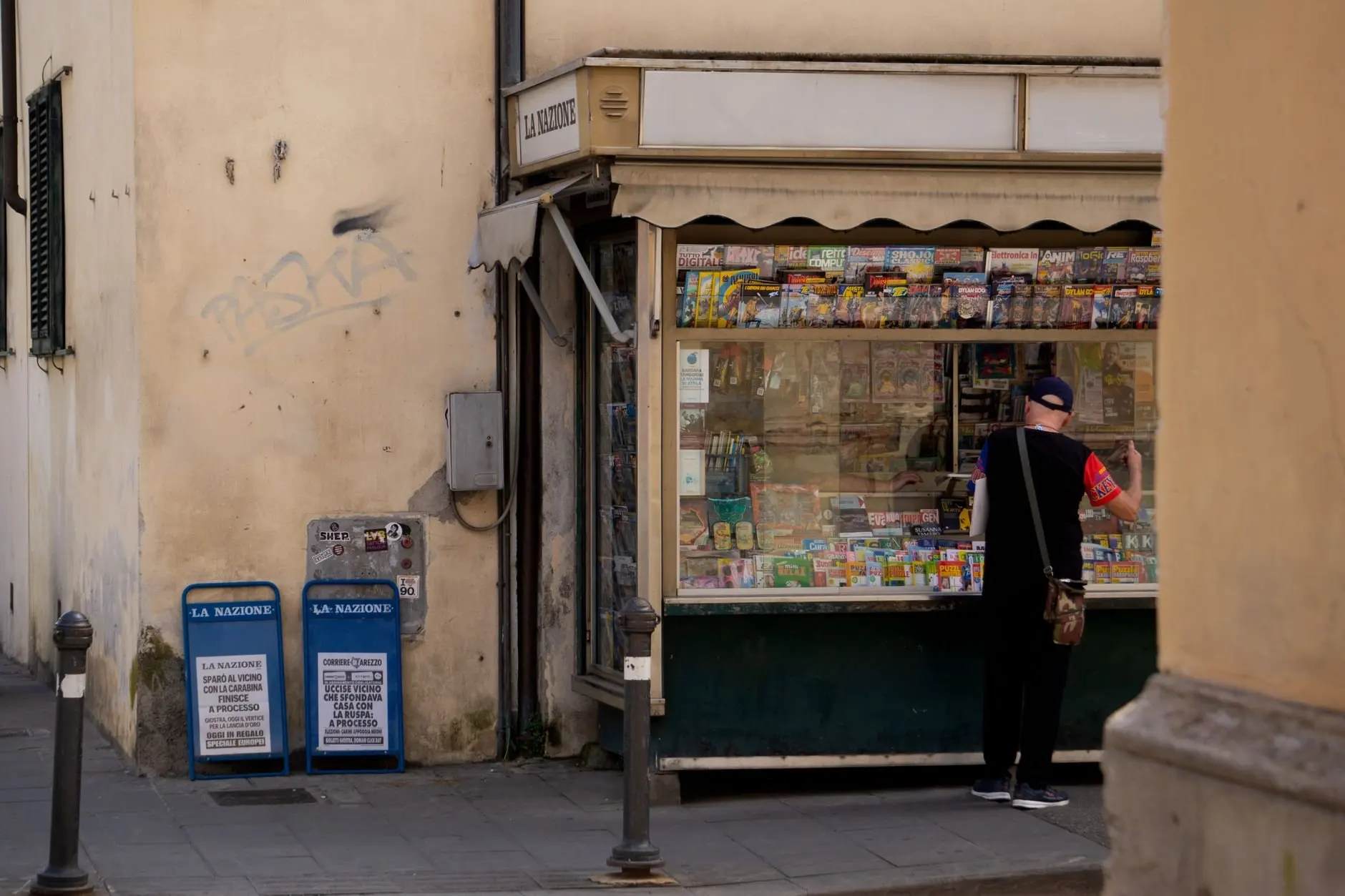
The edicola was the sales channel that defined how a Fabbri set was built, because installments appeared on a schedule and were only on the stand for a limited time. A reader who skipped a release could not simply buy it the following month from the same rack.
Release dates are set per product
Distribution listings state a start date for each product. PrimaEdicola’s Centauria news page gives examples such as Saturday 22 August for the Ferrari 250 California build, and other products carry dates such as 7 February and 3 January. For a collector this means each series has its own calendar. When dating a set, the launch date of that specific series is a better anchor than the publisher’s general history.
Why gaps appear
Gaps in a serial have mundane causes. A reader missed a stand visit, a stand sold out, or a household lost interest and resumed later. Because a newsstand run is sequential, the gap usually sits at a predictable place: the middle of a long series, where attention drifts. A shorter run such as a literature series is easier to finish than a very long modelling run.
Restock alerts and their limits
The publisher’s company page describes a restock notification service for newsstand products. Personal data for that alert are kept for 15 days from the product’s newsstand publication date, according to Centauria’s published terms. The practical lesson is that the alert is meant for catching a release shortly after it appears, not for tracking down an issue from an old series. Collectors chasing older material should treat the alert as irrelevant and use the order route or the second-hand market.
Collection types and what each asks of a collector
Serial collections fall into recognisable families, and each family has its own completion risk. Knowing the family tells you what to inspect before buying and what a missing piece costs you.
Crafts and building series
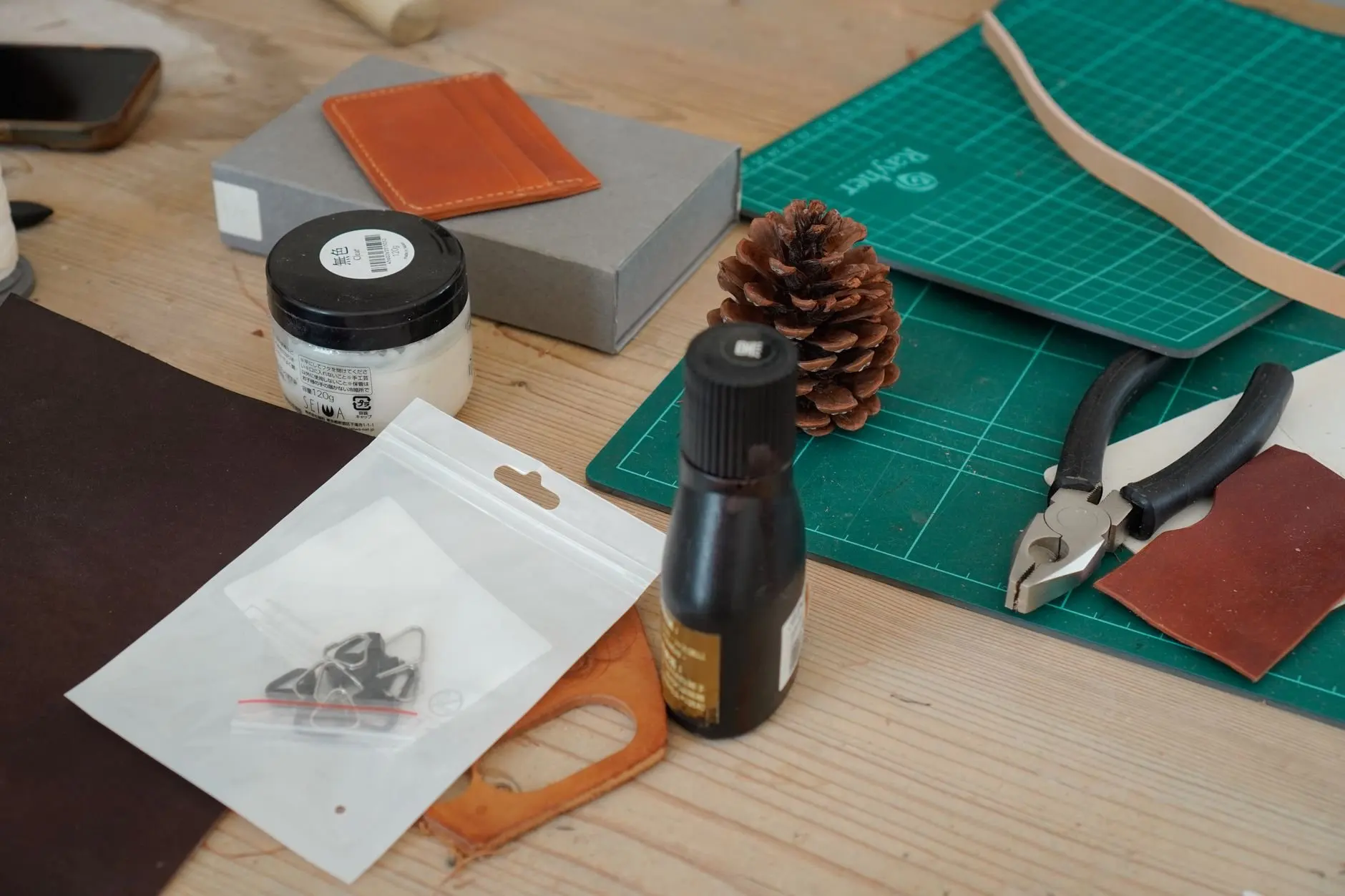
Hands-on series demand the most from a collector, because their value depends on parts and materials being present as well as printed pages. The Fabbri Editori collezione lavori manuali page explores this family.
The decision rule for a craft or build set is simple. Buy a part-built or unbuilt set only if the seller can show that the loose small parts are present, because missing fittings are far harder to replace than missing pages. If a set has already been assembled, judge it as an object rather than as a collection.
Cooking series
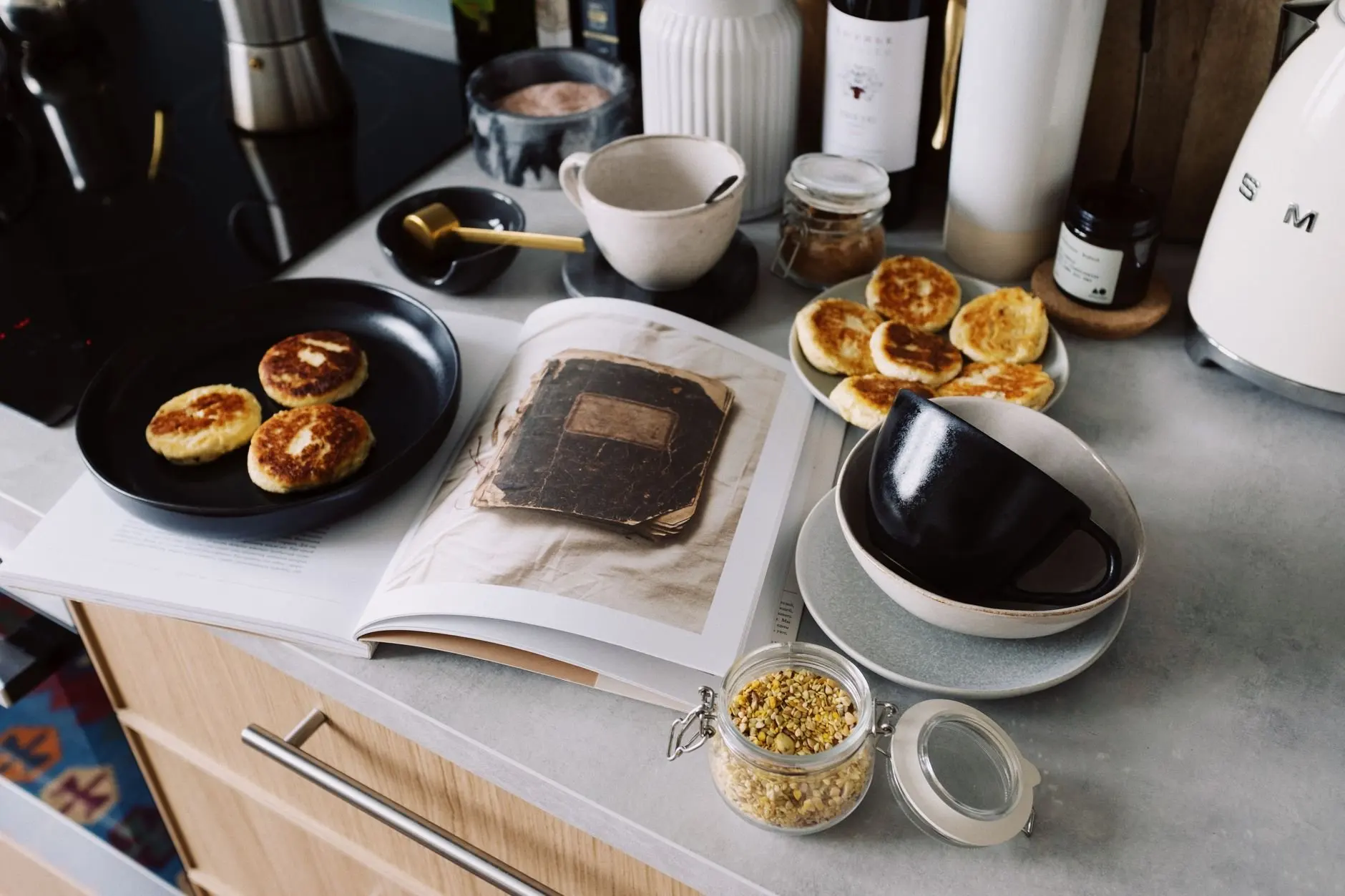
Cookery sets are closer to the book family: the content is printed and the risk is mostly wear, staining and missing volumes. The Fabbri Editori collezione cucina page covers the lineup. Kitchen use leaves marks, so a cookery set in unmarked condition is a deliberate find and a marked one is normal. For a user rather than a collector, a stained but complete set is usually the better buy than a pristine incomplete one.
Music series
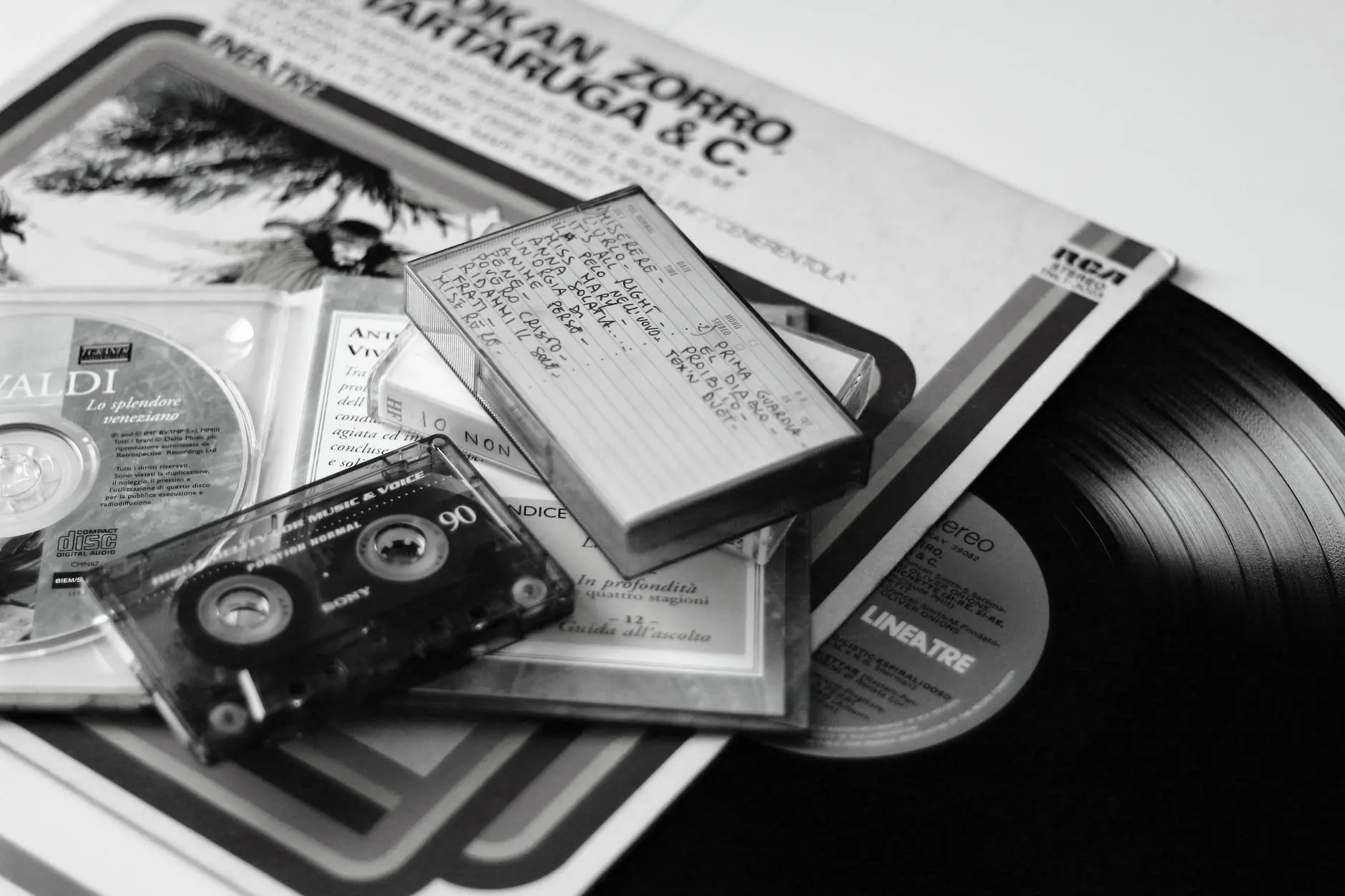
The Fratelli Fabbri Editori is described in its company history as the first publishing house of multimedia works, with I Grandi Musicisti named as the example. Music sets combine printed material with recordings, so completeness has two parts: the booklets and the discs or tapes. The Fabbri Editori collezione musica page treats this family in detail.
When checking a music set, play or inspect the media rather than trusting the sleeve. A complete booklet run with a damaged disc is not a complete set, and the reverse is equally true.
Film and DVD series
Film sets follow the same logic as music sets, with the added question of whether the disc format still plays on the equipment you own. The overview of the collezione DVD edicola Fabbri Editori range is the place to compare titles. As a rule, confirm that each disc is present in its holder and that the printed insert, which often carries the issue number, has not been separated.
Book and encyclopedia series
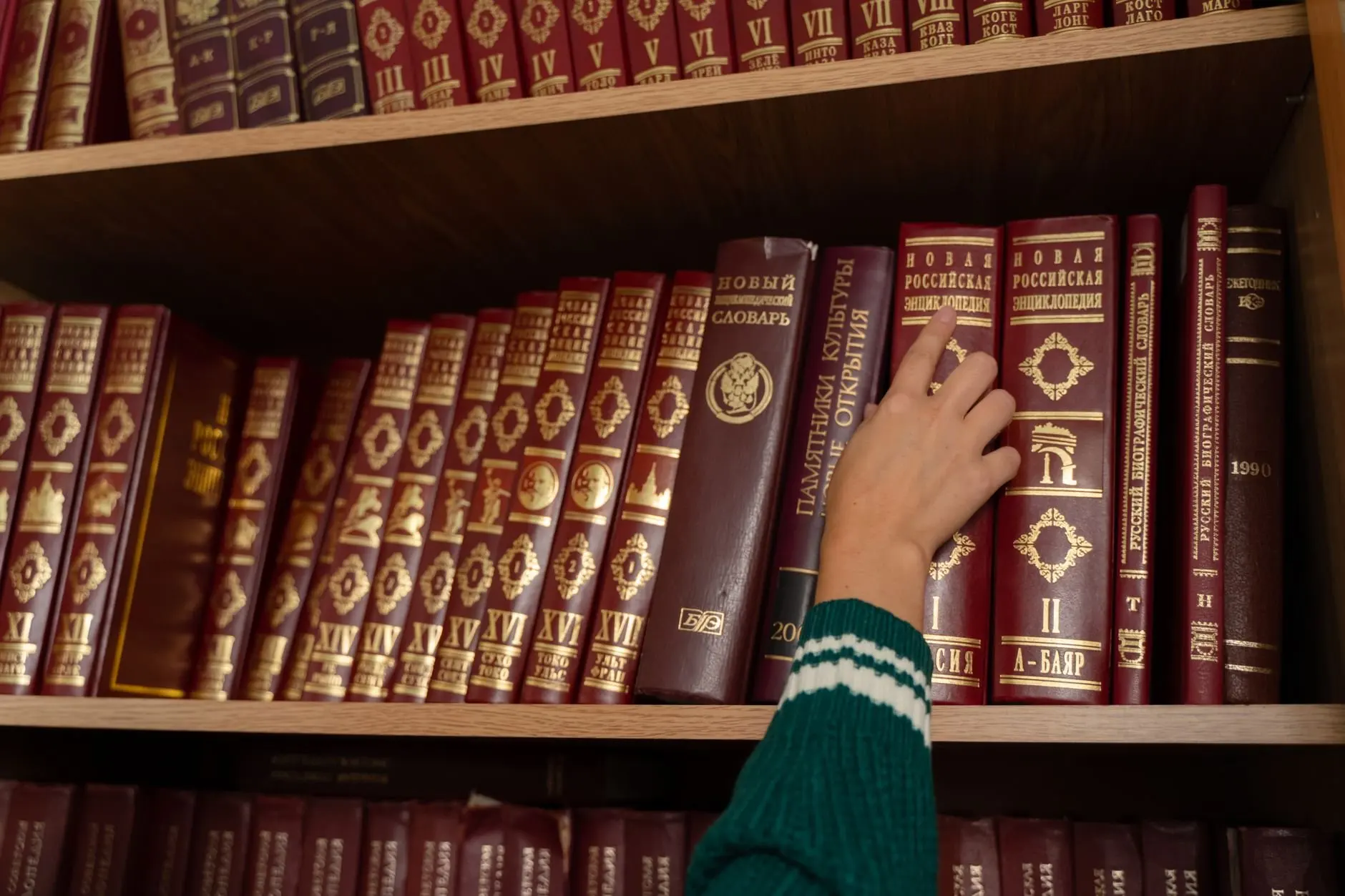
Book sets are the classic partwork. For this family, the question of binding and uniform appearance matters most, which the next sections address. The enciclopedie Fabbri Editori a dispense page continues the topic.
Comparing series length and price
Length is the single most useful number for planning a set, because it tells you how many places a gap can hide and how much a completion project will cost in time. The table shows four current Centauria titles as reference points for how long such series run. They illustrate the format and are not a list of the earlier Fabbri catalogue.
| Series | Installments | Listed price | Planning use |
|---|---|---|---|
| La grande letteratura italiana | 50 | €4.99 per issue | The shortest run listed; the most realistic to finish if you start from scratch. |
| Alfa Romeo Sport Collection | 60 | €4.99 per issue | A mid-length run; the price per issue matches the literature series, so length drives the total commitment. |
| Le grandi Ferrari F1 (1:24 scale) | 101 | €14.99 listed price | A long run at a higher price per issue; gaps are costly to fill. |
| Costruisci la Ferrari 250 California (1:8 scale) | 110 | €1.00 per issue | The longest run listed; a build series where missing parts matter as much as missing pages. |
Figures come from the PrimaEdicola Centauria catalogue, with the 1:8 scale for the California taken from PrimaEdicola’s news listing.
Read the table as a decision aid. A shorter run suits a first-time collector who wants a finished shelf. A very long run suits someone who values the build or the subject enough to accept years of buying, or someone buying a nearly complete set secondhand. The listed price is a snapshot of a retailer page, so confirm the current price before using it to budget.
Completing a missing set
Completing a set is mostly an exercise in matching a checklist to what is on the shelf. Work in this order and the job stays manageable.
- Fix the series and edition. Confirm the exact series title and, where the publisher issued several editions, which edition you hold.
- Write the checklist. List every issue number the series should contain, using a catalogue entry or a trusted full-set listing, and tick off what you own.
- Inspect each issue. A numbered cover is not the same as a complete issue. Check inserts, discs, parts and fold-out sheets for the types discussed above.
- Order what is still available. For current Centauria series, PrimaEdicola states that a missed issue can be ordered on Primaedicola.it and collected at the edicola you prefer, as noted on its Centauria page.
- Search the secondhand market for the rest. Older series are no longer in distribution, so loose issues and part-sets are the realistic route.
Choosing between an order and a secondhand hunt
The order route suits a series still carried by the current publisher, because the issue arrives new and in the same state as the rest of a new set. The secondhand route suits older series and has two trade-offs: condition varies, and sellers may not describe inserts accurately. When a missing issue is in a current series, order first; when it is in a discontinued one, go to the second-hand listings and compare more than one seller before accepting a single high price.
When a set is not worth completing
Some sets are better left as they are. If the missing items are the small parts of a build series, or discs from a music set, and the remaining pieces have no independent interest, the cost of chasing the gap can exceed the value of finishing. In that case a clearly labelled partial set is a legitimate outcome. The full procedure, including what to do when a seller offers a bundle, is in the guide to come completare collezione fascicoli mancanti.
Binding, binders and condition
How a set was assembled changes how you judge it. Book-style series were bound or boxed as uniform volumes, while others were issued as loose sheets or booklets meant to go into a binder. Both formats look finished on a shelf, but they fail differently.
Bound volumes
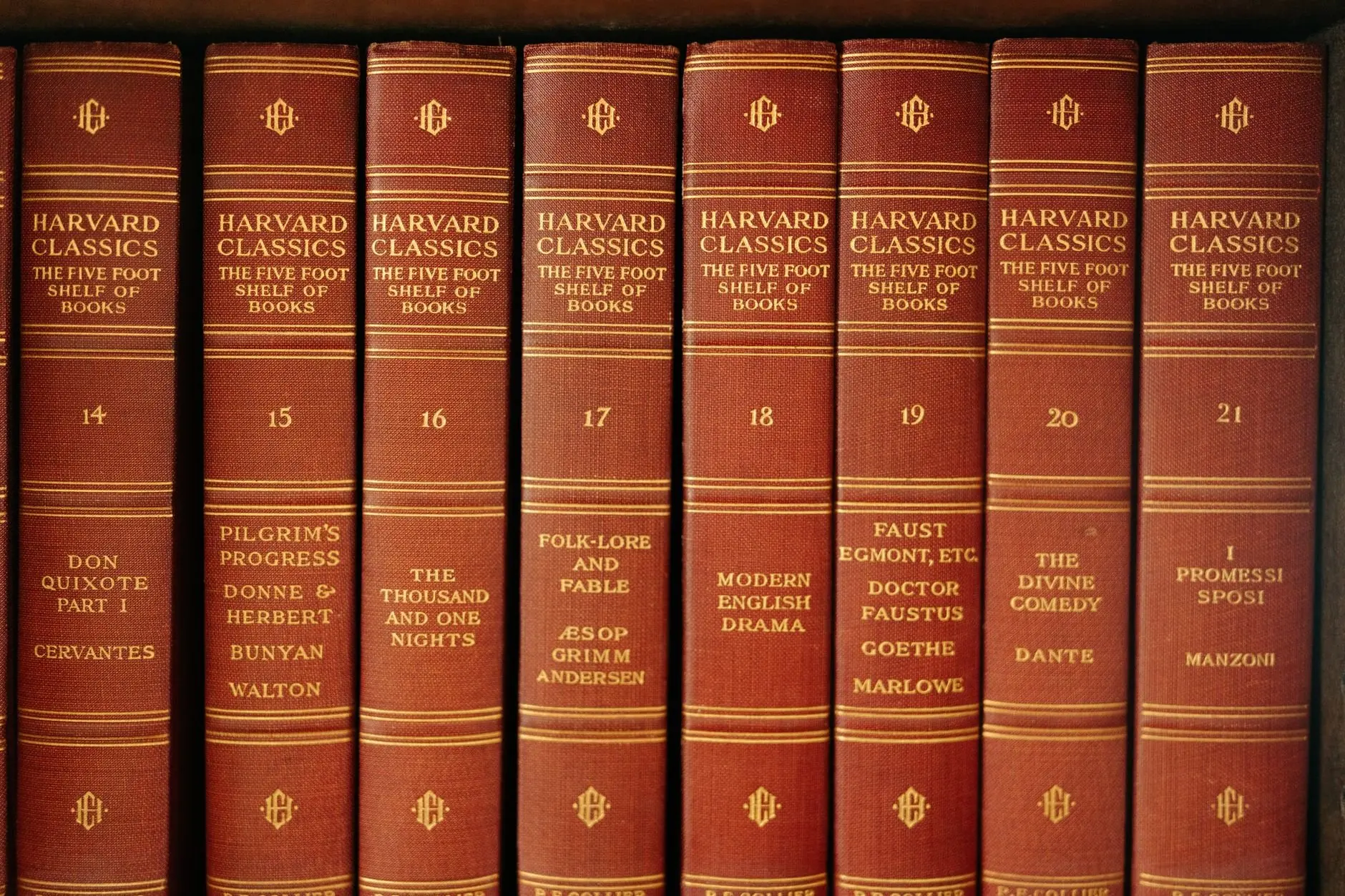
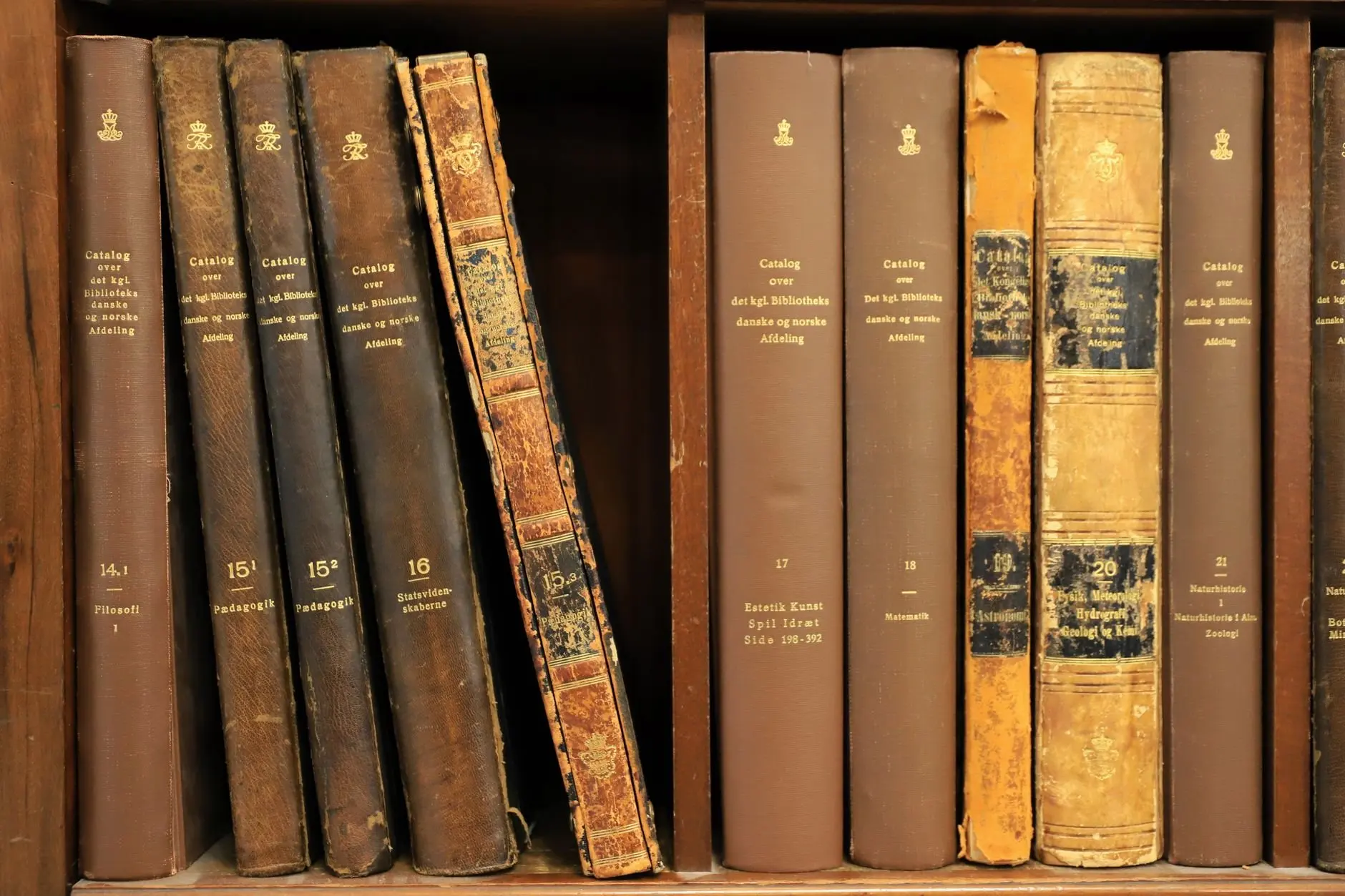
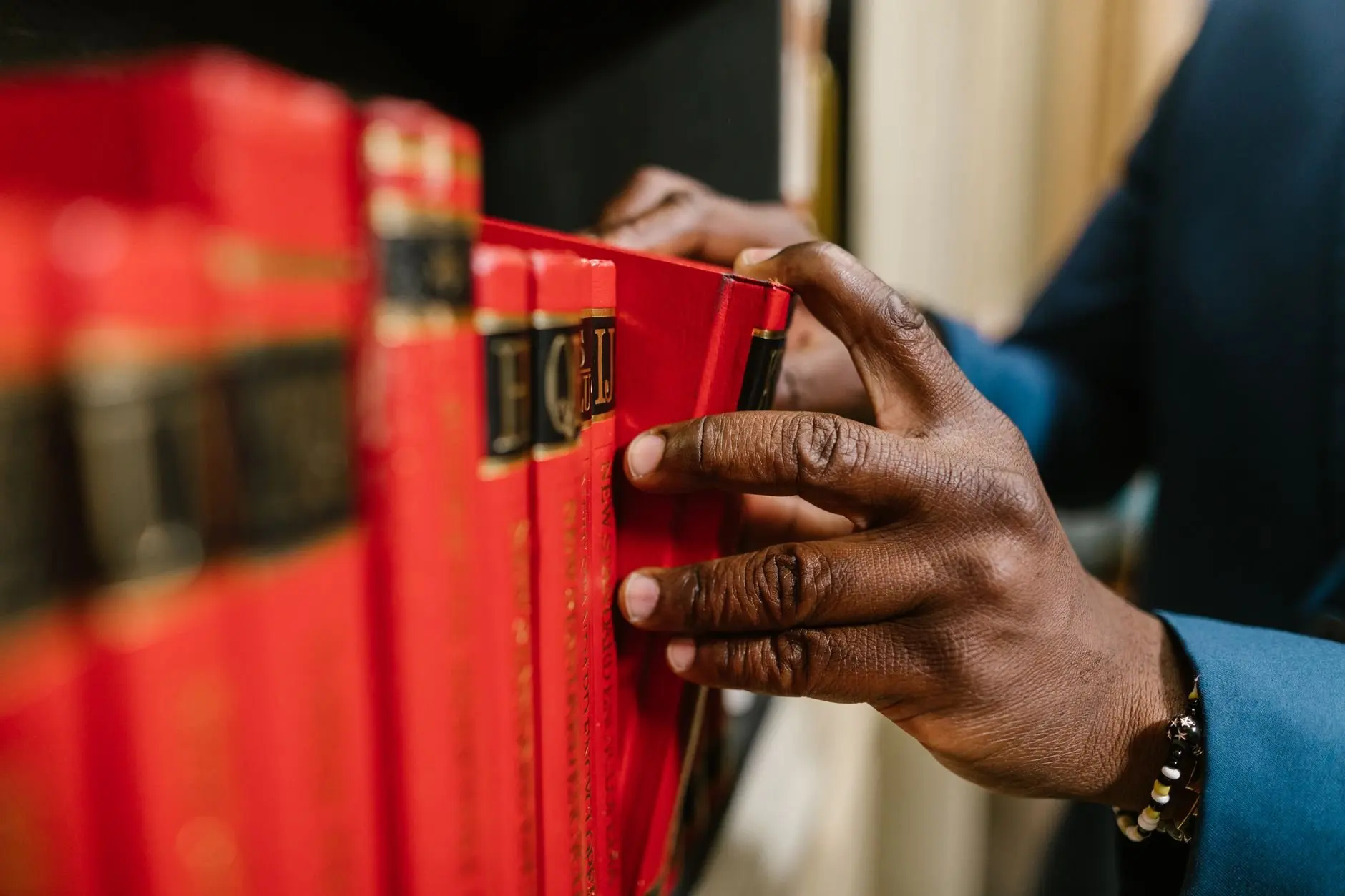
With bound volumes, inspect the spines, the hinges and the corners. A set of matching spines is the main visual argument for a series, so a mismatched replacement volume stands out. Accept a substitute only if its binding colour and lettering match, otherwise the shelf looks unfinished even when the text is complete.
Binder-based sets
For sets meant to be gathered into a folder, the binder is part of the collection. The raccoglitore collezione Fabbri Editori page explains the folder types. A set sold without its binder is incomplete in practice, and the sheets inside can bend or tear when stored loose. Storage is dealt with in come conservare fascicoli collezione.
Reading the imprint
The Fabbri name appears on more than the newsstand serials. For example, AbeBooks lists an edition of Il Nome della Rosa under the imprint Fabbri Editori – RCS Libri, 1981, in its publisher listing. The lesson for identification is to read the imprint line on the title page rather than relying on the publisher name alone. A book with a Fabbri imprint is not necessarily a partwork installment, and a partwork may carry the imprint of a later owner.
Value, used sets and the practical limits
Worth depends on completeness, condition and demand, and the publisher’s sales numbers do not set a price on an individual set. The very large number of installments sold, 1.5 billion according to the Centauria history, points to abundant supply of ordinary series, so a common set in average condition is unlikely to be scarce. Scarcity is more likely to attach to a complete set in good condition, or to a part of a series that was handled less.
Use this as a buying rule. Pay for completeness and condition, not for the Fabbri name alone. For a detailed treatment of price patterns, go to quanto valgono le collezioni a fascicoli, and for sourcing, collezioni Fabbri Editori usate.
Questions to ask a seller
- Is the set complete against a numbered list? Ask for a photo of the full run, spines up.
- Are inserts, discs and parts included? Printed pages alone do not make a media or build series complete.
- Is the binder or box included? For binder-based sets, it is part of the item.
- Which edition is it? A series sold in several editions can differ between them.
Frequently asked questions
What was Fabbri Editori’s newsstand collections club in Italy?
It was the publisher’s run of serial collections sold at the edicola, and the club label is best read as a collector’s shorthand for following those series. The documented features are newsstand sale, an order route for missed issues and a restock alert, not a formal membership with fees.
How can I complete a missing set of a Fabbri collection?
Write a checklist of issue numbers, inspect what you own, then order any missing issue still carried by the current publisher through PrimaEdicola. For discontinued series, search the second-hand market and compare sellers.
Who holds the Fabbri legacy today?
Centauria Editore is described by PrimaEdicola as the heir of Fratelli Fabbri, founded in 1947. On the children’s side, Mondadori Group lists Fabbri within its Children’s Books Business Unit.
How long did a partwork series run?
It varied by series. Current Centauria titles on PrimaEdicola range from 50 installments for La grande letteratura italiana to 110 for the Ferrari 250 California build, so check the specific series before committing.